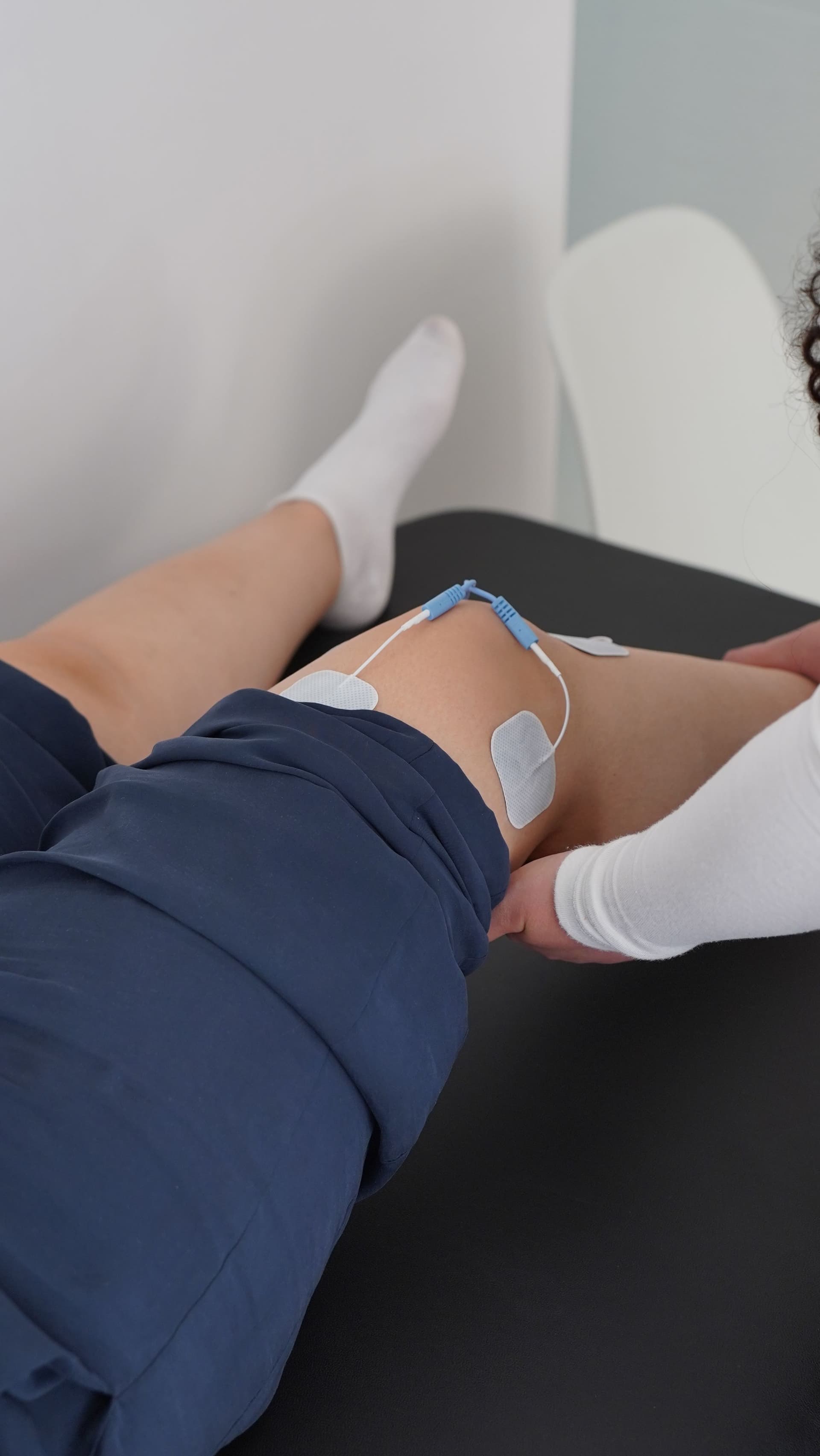
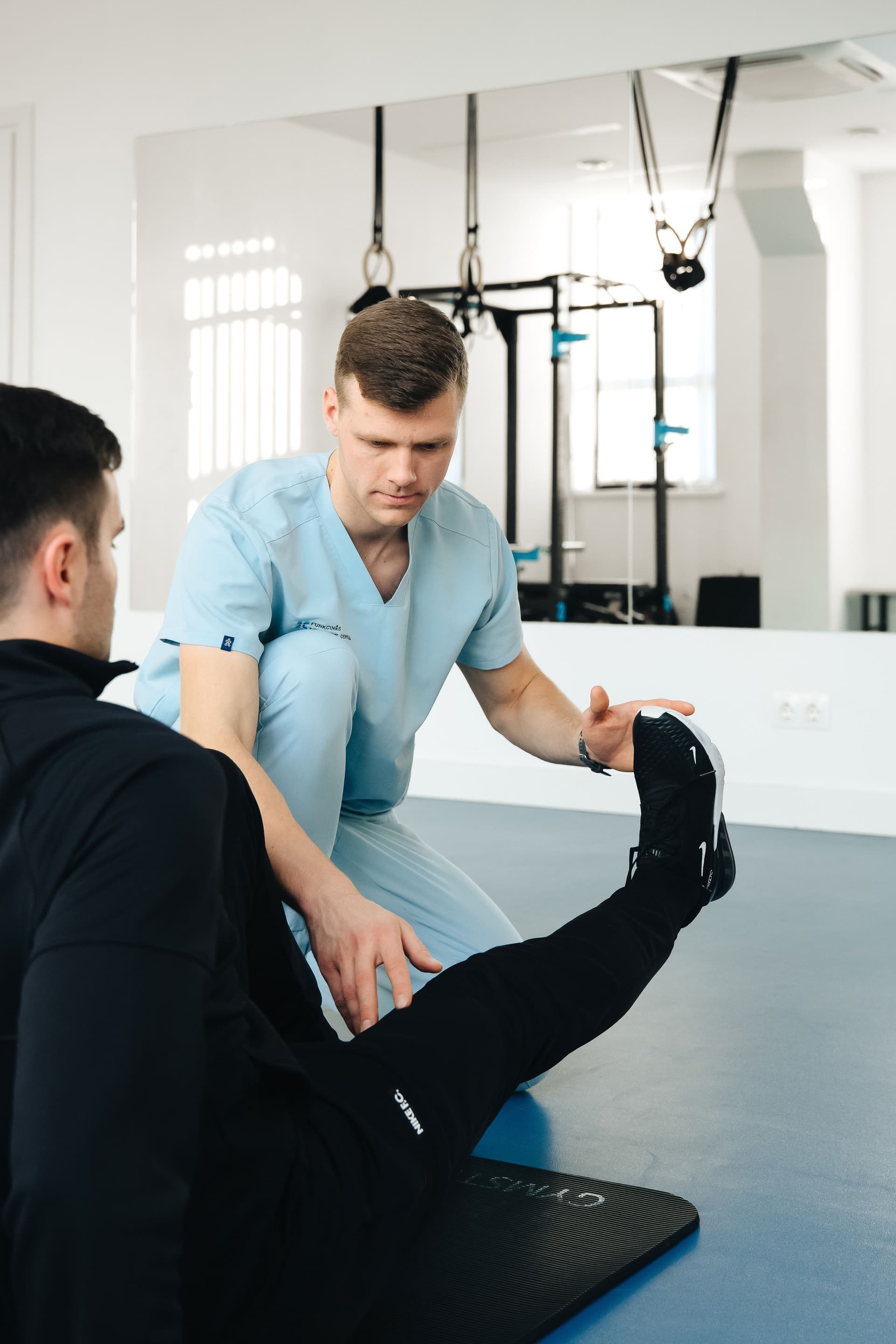
The success of your total knee arthroplasty (TKR) depends less on the surgeon’s skill and more on the first 12 weeks of rehabilitation. Expert knee replacement recovery physiotherapy Bengaluru patients rely on determines whether you walk pain-free for 20 years or struggle with stiffness forever. Consequently, structured post-op care is non-negotiable.
At Pro Physiotherapy in JP Nagar 8th Phase, our senior clinicians deliver both clinic and home-visit rehabilitation designed to match your surgeon’s protocol — without the overwhelm of endless YouTube videos.
Why the First 12 Weeks Are Everything
Firstly, the primary goal in the first 6 weeks is regaining full knee extension and reactivating a stubbornly “asleep” quadriceps. Secondly, the next 6 weeks focus on strength, endurance, and balance restoration so you can climb stairs, drive, and sit cross-legged again.
According to a comprehensive review of post-TKR rehabilitation outcomes, patients who achieve full extension by week 2 and 90° flexion by week 4 have significantly better 1-year functional scores.
Common Mistakes That Delay Recovery
- Skipping ice therapy — leads to persistent swelling that shuts down quad firing.
- Waiting too long to weight-bear — causes gait deviation and long-term hip/lower-back issues.
- Avoiding flexion out of fear — results in permanent stiffness (arthrofibrosis).
- Relying only on painkillers — masks poor rehab quality.
- Stopping physio at week 6 because “you feel fine”.
Knee Replacement Recovery Physiotherapy Bengaluru: 12-Week Framework
Weeks 1–2: Swelling Control & Early Range
- Cryotherapy 20 minutes, 4–5 times daily.
- Heel slides for gentle flexion — 3 sets of 10, twice daily.
- Quad sets and short-arc quads — 30 reps every 2 hours.
- Straight-leg raises — 3 sets of 10.
- Ankle pumps — continuously through the day to prevent DVT.
- Walking with walker/crutches as directed by your surgeon.
Weeks 3–4: Mobility & Weight-Bearing Progression
- Aim for 90° flexion and 0° extension.
- Stationary bike (no resistance) once flexion reaches 105°.
- Terminal knee extensions with resistance band.
- Wean off walker to a single cane.
- Gentle balance work — standing on 2 feet, transferring weight.
Weeks 5–8: Strength & Function
- Mini-squats (0–45°) with mirror feedback.
- Step-ups (4–6 inch box) with slow eccentric control.
- Wall sits progressing from 15 to 45 seconds.
- Single-leg balance drills.
- Stationary bike with light resistance.
Weeks 9–12: Advanced Function & Return to Life
- Progressive stair climbing (up and down).
- Longer walks (30–45 minutes).
- Cross-legged sitting progression.
- Return to driving (after surgeon clearance).
- Sport-specific work if applicable (golf, gentle cycling).
Why Home-Visit TKR Physio Is a Game-Changer
Moreover, in the first 4 weeks, a clinic visit means a painful car ride and a swelling flare-up that undoes a day’s progress. Home-visit rehab eliminates that stress entirely. Additionally, we assess your bed height, bathroom access, stairs, and living-room layout so recovery integrates seamlessly with daily life. Read more at Physiopedia’s TKR clinical resource.
What to Expect Session-by-Session
Furthermore, our sessions typically include manual mobilisation of the knee cap, cryotherapy, guided exercises, gait retraining, and home-programme progression. See our clinical resources including the Return-to-Function Scorecard for benchmarking your progress.
Coverage Across Bengaluru
Therefore, our home-visit team serves JP Nagar, Jayanagar, HSR, BTM, Bannerghatta, Koramangala, Kothnur, and Whitefield. Book directly via our Find-a-Physio page or call our JP Nagar clinic.
Frequently Asked Questions
How soon after knee replacement should physiotherapy start?
Ideally within 24–48 hours post-surgery, most patients begin gentle quad activation and ankle pumps in the hospital. Home-visit physio typically starts within 3–5 days of discharge.
How long does knee replacement recovery physiotherapy in Bengaluru take?
Structured rehab typically runs 10–12 weeks, with meaningful functional milestones every 2–4 weeks. Full return to activities like golf, cycling, and long walks takes about 3–4 months.
Is home-visit physio safe after a total knee replacement?
Yes, and often preferable. Home-visit physiotherapy prevents post-op swelling flare-ups from long car rides and lets us tailor rehab to your actual bed, stairs, and bathroom.
How many sessions of TKR physiotherapy are typically needed?
Most patients need 3–4 sessions per week for the first 4 weeks, then 2–3 sessions per week until week 8, then weekly reviews until week 12. Progression is guided by clinical benchmarks, not calendars.
Can I sit cross-legged after a knee replacement?
Yes, most modern implants allow cross-legged sitting after 8–12 weeks of proper rehab. Achieving that range requires disciplined flexion work in the early weeks.
Give your new knee its best chance. Book expert knee replacement recovery physiotherapy Bengaluru patients trust at Pro Physiotherapy JP Nagar. Reserve your home-visit today →