Ankylosing Spondylitis Exercises & Physiotherapy in Bangalore — HLA-B27 Home Protocol | From ₹549
Ankylosing spondylitis (AS) is a chronic inflammatory arthritis of the spine and sacroiliac joints, HLA-B27 positive in 90% of Indian patients. Bangalore treatment combines daily spinal mobility, thoracic extension work, hip mobility, and cardiovascular fitness — proven to slow disease progression.
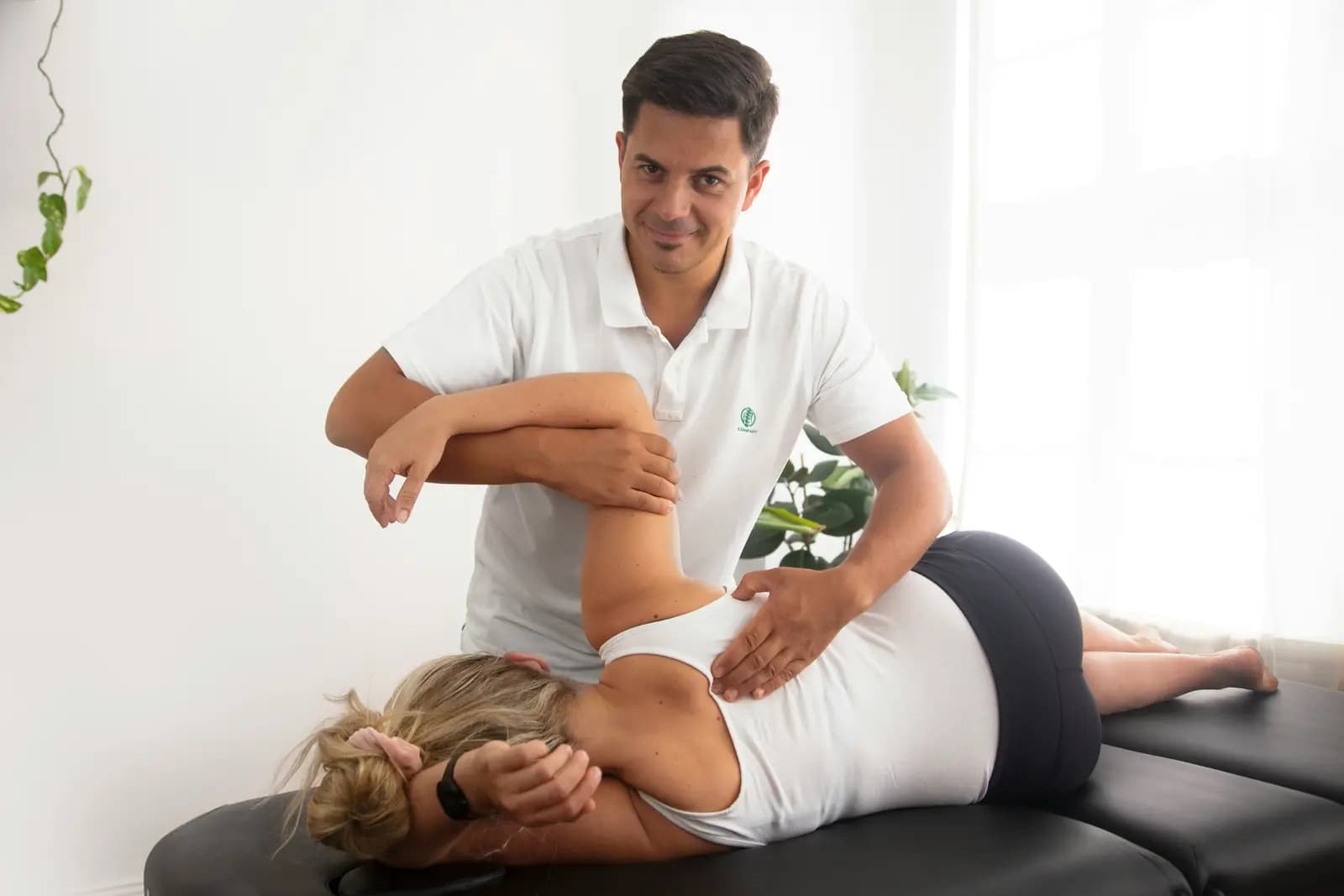
Ankylosing spondylitis (AS) is a chronic inflammatory arthritis of the spine and sacroiliac joints, HLA-B27 positive in 90% of Indian patients. Bangalore treatment combines daily spinal mobility, thoracic extension work, hip mobility, and cardiovascular fitness — proven to slow disease progression. Pro Physiotherapy sessions from ₹549.
Ankylosing Spondylitis (AS) affects around 0.5% of Indian adults and is highly prevalent among young South Indian males with HLA-B27 positivity. Left untreated, chronic inflammation progressively fuses the spine and sacroiliac joints. Daily structured physiotherapy is the single most effective non-drug intervention — proven to slow disease progression and preserve function (ASAS-EULAR 2016 recommendations). Pro Physiotherapy delivers home protocols across JP Nagar, HSR Layout, Whitefield, Sarjapur Road and Koramangala. Sessions from ₹549. Detailed session receipt for insurance reimbursement.
Understanding Ankylosing Spondylitis
Ankylosing Spondylitis is an axial spondyloarthritis — chronic inflammation of the sacroiliac joints and spinal entheses driven by the HLA-B27 gene. Bengaluru has a high AS density because South Indian males have among the highest HLA-B27 rates in the country. Onset is typically 20–40 years — the same age band as the city's IT workforce.
The clinical signature: inflammatory low back pain (worse with rest, better with movement, morning stiffness > 45 min), night waking in the second half of the night, alternating buttock pain, and enthesitis (Achilles, plantar). Physiotherapy is not optional — Dagfinrud 2008 Cochrane review confirms structured exercise reduces pain, improves function and slows spinal fusion.
Day-1 AS Home Assessment
A 75-minute home visit covers a full spinal metrology screen — chest expansion at the 4th intercostal space (normal > 5 cm), modified Schober test, lateral thoracolumbar flexion, tragus-to-wall distance, occiput-to-wall distance, and Bath AS Metrology Index (BASMI). Plus BASDAI (disease activity), BASFI (function), and screening for extra-articular manifestations (uveitis history, psoriasis, IBD, enthesitis).
We coordinate with the treating rheumatologist for biologic-therapy patients (adalimumab, secukinumab, ixekizumab). Physiotherapy dosing changes around biologic-infusion cycles.
Ankylosing Spondylitis Care Pathways in Bangalore
| Pathway | Duration | Typical Cost | Best For |
|---|---|---|---|
| NSAID monotherapy | Ongoing | ₹1,000/month | Mild disease, low BASDAI |
| Biologic (anti-TNF or anti-IL-17) | Ongoing | ₹15,000–₹35,000/month | Moderate–severe disease, failed NSAIDs |
| Home physiotherapy alone | Ongoing daily | ₹9,600 for 12 sessions + daily home routine | Adjunct to any drug therapy — reduces BASDAI ~1.5 points |
| Combined biologic + structured physio | Ongoing | Drug + ₹9,600 for 12 physio sessions | Best long-term outcomes — recommended by ASAS-EULAR |
Transparent Pricing — From ₹549
No hidden fees · Insurance-reimbursableEvery session receipt carries ICD-10 codes accepted by Star Health, HDFC ERGO, ICICI Lombard, Care Health, Aditya Birla and Manipal Cigna for reimbursement. Outer-perimeter home visits carry a transparent ₹150 surcharge.
“Great experience at Pro Physiotherapy, JP Nagar 8th Phase. The doctor is excellent, and his team is very supportive. Really happy with the care for my back. Highly recommended!”
Home Ankylosing Spondylitis Rehab Protocol
BASMI + BASDAI + BASFI scoring, hands-on thoracic and lumbar mobilisation, daily spinal mobility routine handover (McKenzie extension, thoracic rotation, cat-cow, prayer stretch).
Chest-expansion training (measured re-testing), thoracic self-mobilisation on foam roller, tragus-to-wall retraining, occiput-to-wall retraining. Introduce swimming or brisk walking 3× weekly.
Progressive core loading, hip mobility (single-leg glute bridge, hip-flexor eccentric), cardiovascular fitness prescription, sport/gym return protocol.
BASMI + BASDAI + BASFI re-scored every 3 months, coordinated with rheumatologist visits. Progression to lifelong daily 20-minute home routine.
Frequently Asked Questions
What are the best exercises for ankylosing spondylitis?
Can physiotherapy stop ankylosing spondylitis from progressing?
Is swimming good for ankylosing spondylitis?
How much does ankylosing spondylitis physiotherapy cost in Bangalore?
I am HLA-B27 positive but not sure if I have AS — what should I do?
Book a clinical consultation at Pro Physiotherapy JP Nagar
FIFA-diploma-led team · 945+ verified 5★ Google reviews · Same-day slots · Transparent pricing.