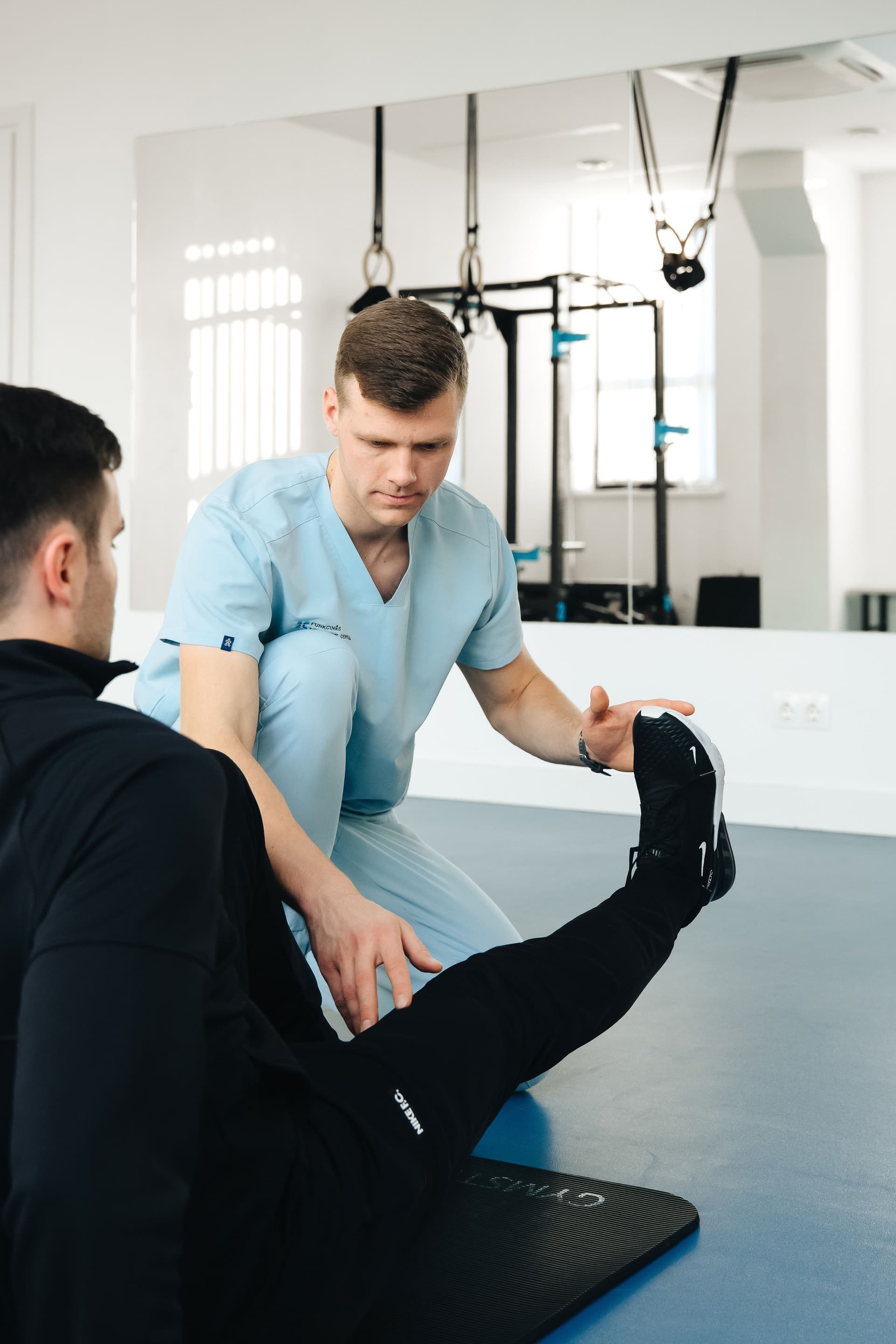
Post-Knee-Replacement Recovery: Your Complete Rehab Guide
Dr. J Mazumdar, BPT17 August 2026 Reviewed 65 days ago
Medically reviewedby Dr. J Mazumdar, BPT (Master’s Degree in Sports Physiotherapy, BPT · FIFA Sports Medicine Certified) Last reviewed: 17 August 2026
## Understanding Your Knee Replacement Recovery Journey
Total knee replacement (TKR) surgery is a life-changing procedure that thousands of Bengaluru residents undergo each year at hospitals across Whitefield, Marathahalli, and surrounding areas. While the surgery itself typically takes 1-2 hours, your recovery journey spans several months and requires dedicated physiotherapy to restore strength, mobility, and independence.
The first 12 weeks post-surgery are critical. During this period, your new knee joint settles, surrounding tissues heal, and your muscles relearn movement patterns. Many patients in Whitefield find that structured home-based physiotherapy offers the comfort and consistency needed for optimal recovery, especially when navigating Bengaluru's traffic for clinic visits feels challenging during early recovery stages.
Successful TKR rehabilitation follows a phased approach—starting with gentle range-of-motion exercises within 24 hours of surgery, progressing to strengthening work, and eventually returning to daily activities like climbing stairs, walking in nearby parks, or resuming light household tasks.
## Week 1-2: The Initial Recovery Phase
The first two weeks after knee replacement focus on managing pain, reducing swelling, and beginning gentle movement. Your physiotherapist will guide you through ankle pumps, quad sets, and assisted knee bends while you're still in bed or seated.
Icing your knee for 15-20 minutes every 2-3 hours helps control inflammation. Keep your leg elevated when resting, but avoid placing pillows directly under the knee as this can limit extension. Many Whitefield residents benefit from home physiotherapy visits during this phase, as therapists can assess your home environment and suggest modifications—like removing loose rugs or installing grab bars in bathrooms.
Walking is encouraged from day one, initially with a walker. Start with short distances inside your home, gradually increasing as tolerated. Your physiotherapist will teach you proper gait patterns to avoid developing compensatory movements that could hinder long-term recovery.
Pain management is essential. Take prescribed medications as directed, and communicate openly with your physiotherapist about discomfort levels. Some pain during exercises is normal, but sharp or worsening pain signals the need to modify your approach.
## Week 3-6: Building Strength and Flexibility
By week three, most patients transition from a walker to a cane or walk independently for short distances. Your physiotherapy sessions now emphasize increasing knee flexion (bending) to 90-110 degrees and achieving full extension (straightening).
Key exercises during this phase include:
- Seated knee extensions with resistance bands
- Heel slides to improve bending
- Mini squats holding onto a sturdy surface
- Step-ups using a low platform
- Straight leg raises in multiple directions
Consistency matters more than intensity. Performing exercises 2-3 times daily for 20-30 minutes yields better results than one exhausting session. Your Pro Physiotherapy therapist will progress exercises based on your individual healing rate, not a generic timeline.
Scar tissue management begins now. Gentle massage around (not directly on) the incision site, once fully healed, helps prevent excessive tightness. Some patients in Bengaluru's dry climate find moisturizing the area helpful, but always check with your surgeon first.
This phase often brings emotional challenges as progress feels slow. Remember that everyone heals differently—comparing yourself to others can create unnecessary stress.
## Week 7-12: Regaining Independence
Months two and three mark significant functional improvements. Most patients achieve 110-120 degrees of knee flexion, walk without assistive devices, and resume driving (if cleared by their surgeon). Your physiotherapy focus shifts toward strengthening and endurance.
Advanced exercises include:
- Wall squats holding for 10-30 seconds
- Standing calf raises
- Side-lying leg lifts
- Stationary cycling (excellent low-impact option)
- Balance exercises on unstable surfaces
Many Whitefield residents start incorporating outdoor walks during cooler morning hours—perhaps around Whitefield's ITPL area or nearby residential complexes. Start with 10-15 minutes and gradually increase duration. Proper footwear with good cushioning is essential.
Stair climbing becomes easier, though you may still lead with your non-operated leg going up and the operated leg going down. Practice this skill regularly, as it's crucial for navigating Bengaluru's multi-story homes and apartments.
Return to light household activities like cooking or folding laundry, but avoid prolonged standing or kneeling. Listen to your body—fatigue is common, and rest remains important.
## Month 4-6: Returning to Normal Activities
By month four, most TKR patients achieve 120+ degrees of flexion and walk comfortably for 30-45 minutes. Your physiotherapy sessions may reduce in frequency but should continue to challenge your strength and function.
This phase focuses on:
- Sport-specific training if you plan to return to activities like swimming or golf
- Advanced balance and proprioception exercises
- Endurance building through longer walks or cycling
- Addressing any remaining gait abnormalities
Some patients experience anterior knee pain or stiffness, especially in Bengaluru's cooler months (December-January). Gentle warm-up exercises before activities and proper cool-down stretches help manage this.
Your physiotherapist may introduce aquatic therapy if you have pool access. Water's buoyancy reduces joint stress while providing resistance for strengthening—ideal for TKR recovery.
Avoid high-impact activities like running or jumping. Your surgeon will provide specific guidelines, but generally, low-impact exercises protect your prosthetic joint while maintaining fitness.
## When to See a Physiotherapist for Post-TKR Care
Professional physiotherapy guidance is essential throughout your knee replacement recovery. You should seek expert care if you experience increased swelling, warmth, or redness around the surgical site, sudden loss of motion, severe pain not controlled by medication, or difficulty performing prescribed exercises correctly.
Starting physiotherapy within 24-48 hours post-surgery significantly improves outcomes. Home-visit physiotherapy offers particular advantages for Whitefield residents—personalized one-on-one attention, no travel stress during early recovery, and treatment in your actual living environment where therapists can address real-world challenges.
Pro Physiotherapy's experienced team has supported hundreds of TKR patients across Bengaluru since 2010. Our therapists bring hospital-grade equipment to your home and create customized rehabilitation programs based on your specific surgery type, age, fitness level, and goals.
If you're preparing for knee replacement surgery or currently in recovery, consider booking a home physiotherapy assessment. Our team serves Whitefield, Marathahalli, Varthur, and surrounding areas with flexible scheduling that fits your recovery needs. Early intervention and consistent professional guidance can reduce your total recovery time by several weeks.
## Long-Term Care and Maintenance
Your knee replacement can last 15-20 years or longer with proper care. Even after formal physiotherapy ends (typically 3-6 months post-surgery), maintaining an exercise routine is crucial for joint longevity.
Lifelong habits include:
- Daily stretching to maintain flexibility
- Strengthening exercises 3-4 times weekly
- Low-impact aerobic activity like walking or swimming
- Weight management to reduce joint stress
- Annual check-ups with your orthopedic surgeon
Many patients join walking groups or yoga classes designed for joint replacement recipients. Whitefield has several senior fitness programs and community centers offering appropriate activities.
Watch for warning signs like persistent swelling, clicking sounds, instability, or gradual loss of motion. While rare, complications can occur years after surgery. Prompt physiotherapy intervention often resolves minor issues before they become serious.
Stay active, but smart. Avoid activities that involve twisting motions, heavy lifting, or repetitive impact. Your new knee allows you to enjoy life—walking Bengaluru's parks, playing with grandchildren, traveling—but respects its mechanical nature.
Remember, successful TKR recovery is a marathon, not a sprint. With patience, dedication to your physiotherapy program, and professional guidance, you'll regain the mobility and quality of life that brought you to surgery in the first place.
Was this helpful?