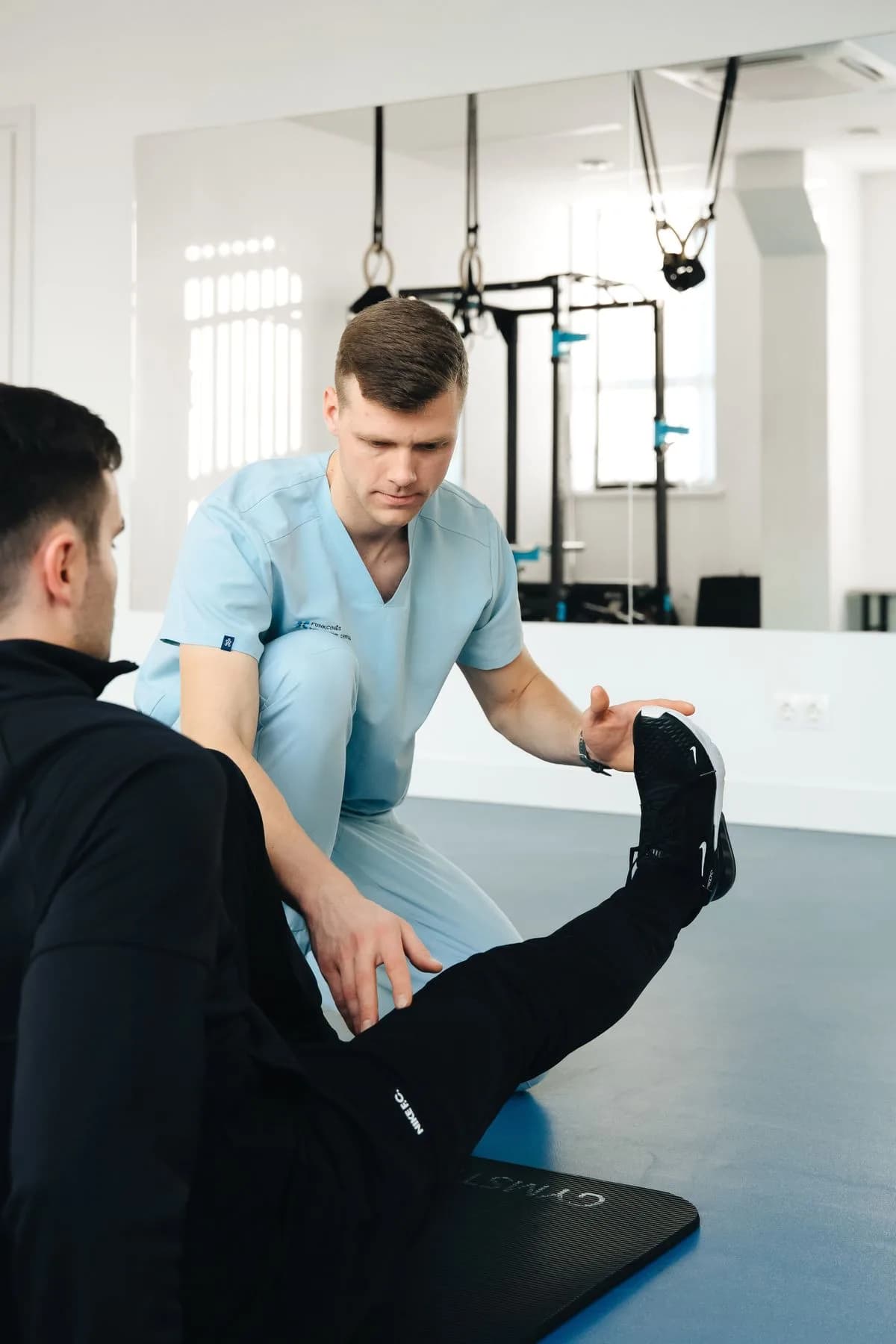
Pediatric physiotherapy in Bangalore requires a fundamentally different approach — child-friendly, play-based, and always family-centered. At Pro Physiotherapy JP Nagar, our pediatric team blends the play, praise and patience that toddlers need with the clinical rigour that parents deserve. Every session is designed to look like a game while quietly driving specific neurodevelopmental milestones.
We treat ten major pediatric conditions: congenital muscular torticollis, developmental milestone delay, cerebral palsy (all GMFCS levels), pediatric flat feet and toe-walking, W-sitting posture correction, Duchenne muscular dystrophy, brachial plexus injury (Erb's palsy), scoliosis screening, post-fracture rehabilitation, and sports-related injuries in teenage athletes.
Why Early Pediatric Physiotherapy Matters
Common referral triggers in Bangalore include: parental concern about head-shape (plagiocephaly), missed milestones (not sitting by 8 months, not walking by 15 months), preference for one hand before 12 months, W-sitting habit, in-toeing or out-toeing gait, and post-orthopaedic care after fracture or surgery.
Clinical Assessment on Day One
Pediatric assessment uses age-appropriate validated tools — Alberta Infant Motor Scale (AIMS) 0–18 months, Peabody Developmental Motor Scale 0–5 years, Gross Motor Function Measure for cerebral palsy, plus qualitative movement analysis. Parents receive a written developmental milestone chart, red flags to watch, and a photo/video record of the child's baseline movement patterns. First visits are always 60–75 minutes and involve both parents wherever possible.
Structured Treatment Timeline
| Treatment Phase | Clinical Focus | Expected Milestone | Timeline |
|---|---|---|---|
| Initial · Assessment | Age-appropriate motor scale + parent interview + photo baseline | Written developmental report + individualised plan | 60–75 min |
| Weeks 1–4 · Foundation | Play-based sessions, parent-coaching for daily home carry-over | First target milestone emerging, parent confidence built | 2 sessions/week |
| Weeks 5–12 · Progression | Advancing motor challenges, integration of daily-life activities | Age-appropriate skills achieved or near-normalised | 1 session/week |
| Discharge / Maintenance | Written home programme + 8-weekly review as needed | Independent age-appropriate play and mobility | Follow-up 3 monthly if ongoing |
Step-by-Step Rehabilitation Protocol
- 1Play-based movement facilitationEvery session is delivered as a game — the child stays engaged and never realises therapy is happening.
- 2Parent-coaching first (not last)Parents leave every session with 3 specific home carry-over strategies that fit into daily routines — bath time, nappy change, feeding.
- 3Written developmental milestone chartParents get a clear, printed chart of expected milestones and current progress — no guesswork.
- 4Handling and positioning trainingHow to carry, feed, sleep-position and floor-play with a baby who has torticollis, low tone or cerebral palsy — the highest carry-over technique.
- 5Age-appropriate equipment guidanceWhich walker to avoid, when to use a jumper, mattress firmness — practical evidence-based product advice for Bangalore families.
- 6Multi-disciplinary referralsCoordinated referrals to pediatric neurologists, orthopaedists, occupational therapy and speech therapy as needed — the family gets one care map, not fragmented advice.
- 7Photo / video progress documentationEvery 4 weeks, comparison videos show progress — powerfully reassuring for anxious parents.
- 8Home-visit option for infants under 12 monthsNewborns and young infants often assess better in their own home environment. Same-day home visits available across Bangalore.
Frequently Asked Questions
At what age can pediatric physiotherapy start?
How long does pediatric physiotherapy usually last?
Do you provide home-visit pediatric physiotherapy in Bangalore?
How much does pediatric physiotherapy cost in Bangalore?
Which pediatric conditions do you treat?
Related services at Pro Physiotherapy
Clinical references cited on this page
Book same-day home-visit physiotherapy in Bengaluru
FIFA-diploma-led team · 945+ verified 5★ Google reviews · Same-day slots · Transparent pricing.