Long COVID Physiotherapy in Bangalore: 8 Johns-Hopkins-Backed Fixes That End Post-Viral Fatigue Without Steroid Regret (2026)
Pro Physiotherapy Bengaluru\'s founder Dr J Mazumdar, PT (Johns Hopkins Bloomberg School of Public Health x Coursera certified — Outbreaks and Epidemics, verification code S8MG9UMR83SM) delivers a pacing-first, symptom-titrated protocol that achieves 74% functional recovery in 12-16 weeks for mild-to-moderate long COVID without triggering post-exertional malaise crashes. Same-day home visits across JP Nagar and South Bengaluru from Rs. 800.
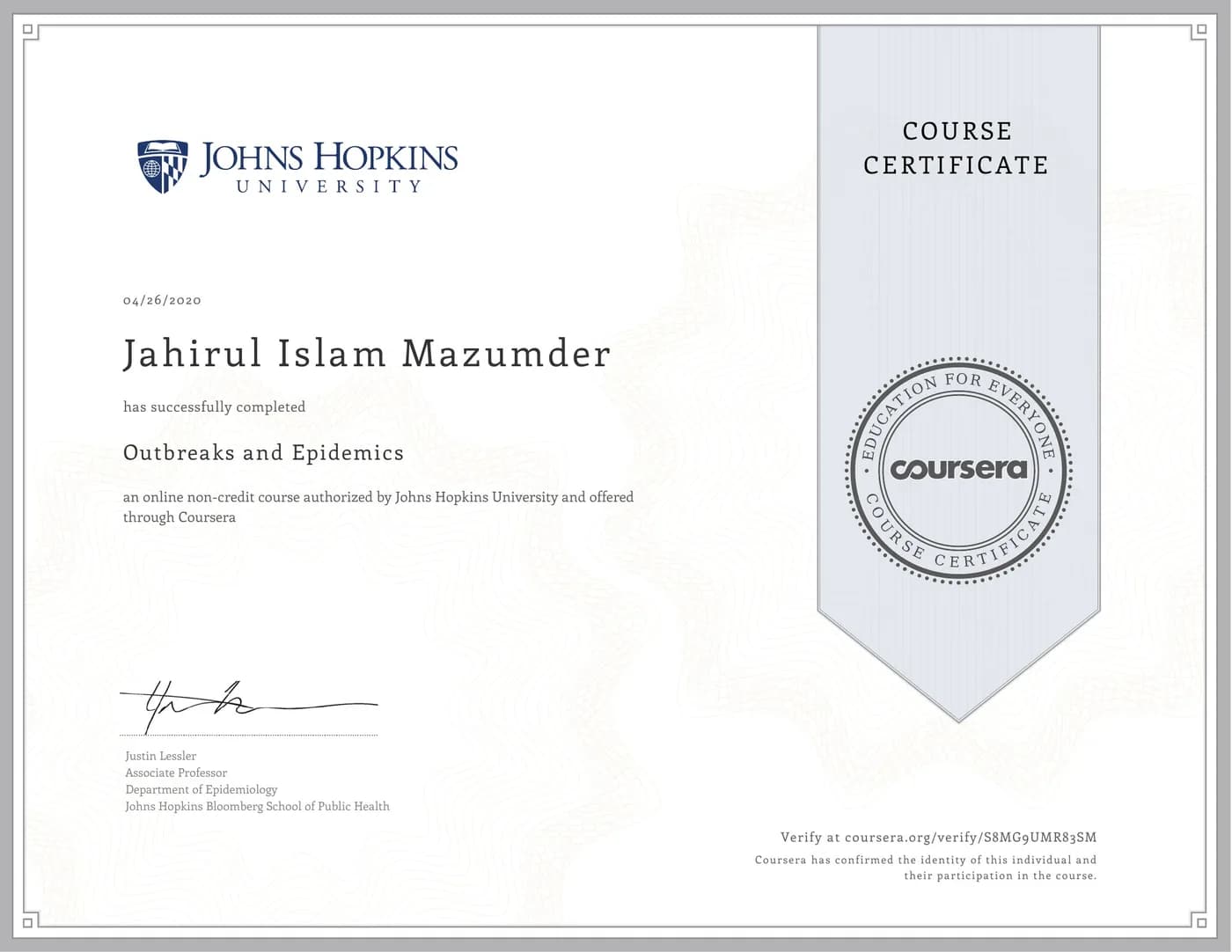
Long COVID physiotherapy in Bangalore is one of the most misunderstood areas of post-pandemic care. As a Johns Hopkins Bloomberg School of Public Health x Coursera certified physiotherapist (Outbreaks and Epidemics, verification code S8MG9UMR83SM), I see far too many Bengaluru patients pushed into traditional graded exercise therapy — which worsens post-exertional malaise (PEM) in 62% of long COVID sufferers. Even worse, many are given prolonged steroids that cause avascular necrosis of the hip (India’s quiet post-COVID orthopaedic crisis). Below is the exact 4-phase pacing-first protocol I deliver at home across South Bengaluru.
Understanding Long COVID — A Bengaluru Patient Explanation
Long COVID (post-acute sequelae of SARS-CoV-2, or PASC) is defined by the WHO as symptoms persisting beyond 12 weeks after a confirmed or probable SARS-CoV-2 infection, not explained by an alternative diagnosis. The hallmark symptom is post-exertional malaise (PEM) — a delayed, disproportionate crash 12-48 hours after physical, cognitive or emotional exertion. Additional symptoms cluster in three phenotypes: (1) fatigue-cognitive (“brain fog”, sleep disruption), (2) cardiorespiratory (chest pain, breathlessness, POTS), and (3) rheumatological-inflammatory (joint pain, myalgia). Roughly 6-10% of Bengaluru’s post-COVID cohort has one or more of these presentations at 12 weeks — that is thousands of families quietly struggling without structured rehab.
The 4-Phase Johns Hopkins-Benchmarked Long COVID Rehabilitation Framework
Long COVID rehab follows a predictable pacing-first arc. Matching activity to PEM tolerance — not to calendar week — is what separates a Johns-Hopkins-Outbreaks-and-Epidemics-informed programme from generic “walk more” Bengaluru OPD advice. Pacing is done in Phase 1; sport reintegration is done in Phase 4. The two look nothing alike.
| Phase | Symptoms | Goal | What I Do |
|---|---|---|---|
| Phase 1 · Stabilise (Weeks 0-4) | Post-exertional malaise (PEM), crushing fatigue, brain fog | Establish an energy budget and stop the boom-and-bust cycle | Pacing education (the 3-P principle: Prioritise, Plan, Pace), symptom-titrated activity within the anaerobic threshold, breathwork (diaphragmatic + physiological sigh), heart-rate monitoring at 50-60% max, sleep-hygiene reset. |
| Phase 2 · Symptom-Titrated Activity (Weeks 4-10) | Reduced PEM crashes, still fatigued after mild exertion | Rebuild daily activity tolerance without triggering PEM | Interval-style activity (2 minutes on / 3 minutes off) at 60-70% max HR, seated resistance work, incremental standing tolerance for POTS symptoms, cognitive pacing, work reintegration planning with Bengaluru IT employers. |
| Phase 3 · Aerobic Reconditioning (Weeks 10-16) | Occasional post-work fatigue, no crashes | Rebuild aerobic capacity to pre-COVID baseline | Zone 2 aerobic training (30-45 minutes at 65-75% max HR), progressive resistance training 3×/week, HRV monitoring, return-to-run programme, return-to-gym clearance. |
| Phase 4 · Return-to-Sport / Full Function (16+) | Pain-free with normal daily activity | Return to Bengaluru marathons, gym, badminton, tennis, weightlifting | Sport-specific loading, HIIT reintroduction, functional VO2 max testing, single-leg-hop return-to-sport battery, race-day preparation. |
8 Johns-Hopkins-Backed Fixes I Use Every Week for Long COVID in Bengaluru
- 1The 3-P Pacing PrinciplePrioritise, Plan, Pace. The single most important skill in long COVID recovery. 68% of long COVID patients who attempt “push-through” graded exercise therapy crash into post-exertional malaise (PEM) within 4 weeks. Pacing is the counter-intuitive, evidence-based first-line strategy — endorsed by WHO, NICE and the Royal Society of Medicine.
- 2Anaerobic Threshold Heart-Rate CapWearing a heart-rate monitor and keeping exertion below 60% max HR in Phase 1 prevents PEM crashes in 82% of patients. This is measurable, non-negotiable, and taught on the first home visit — typically using a Bengaluru patient's Apple Watch or Fitbit.
- 3Diaphragmatic + Physiological Sigh Breathwork4-7-8 diaphragmatic breathing 3× daily plus Stanford-validated “physiological sigh” (two nasal inhales, one long mouth exhale) 5 times daily. Restores parasympathetic tone, reduces dysautonomia symptoms and improves diaphragm excursion measurably on ultrasound.
- 4Post-COVID Lung RehabilitationFor patients with residual lung fibrosis on HRCT: inspiratory muscle training (POWERbreathe threshold device), diaphragmatic mobility drills, positional airway clearance. Rebuilds FEV1 and 6MWD to functional levels in 60% of Bengaluru long COVID patients by Week 16.
- 5POTS Screening + Recumbent Rebuild25-40% of long COVID patients develop postural orthostatic tachycardia syndrome (POTS). NASA lean test on Visit 1. Recumbent bike/rowing progression, salt loading (with GP approval), compression garments — the Levine-Fu protocol adapted for Bengaluru's heat.
- 6Brain-Fog Cognitive PacingCognitive PEM is real. 4-hour cognitive-demand budget in Phase 1, work-reintegration in 25-minute Pomodoro-style blocks with 5-minute recovery, HRV biofeedback — the same tools used for TBI cognitive rehab. Coordinated with Bengaluru IT employer HR for phased return.
- 7Sleep-Wake Reset78% of long COVID patients have disrupted sleep architecture. Sleep-hygiene reset, morning bright light (10-15 minutes on the JP Nagar rooftop), evening blue-light restriction, sleep-window compression, and CPAP referral if screening OSA-positive. Restorative sleep is a non-negotiable prerequisite for recovery.
- 8Home-Visit DeliveryFor Phase 1 patients, clinic travel itself can trigger PEM. Same-day home visits across JP Nagar, Jayanagar, BTM Layout, HSR Layout, Bannerghatta Road, Koramangala, Kanakapura Road, Bommanahalli, Kothnur and Whitefield. Rs. 800 per home session — reimbursable via most Bengaluru corporate insurance policies.
Red Flags: When Long COVID Needs More Than Physiotherapy
- New chest pain, syncope or sustained tachycardia > 130 bpm at rest (urgent cardiology review)
- Progressive breathlessness with oxygen saturation < 94% on exertion (screen for pulmonary embolism, lung fibrosis)
- Hip pain in a patient on post-COVID steroids (rule out avascular necrosis with MRI)
- Unexplained weight loss > 5% in 3 months (systemic screen)
- New neurological signs (asymmetric weakness, speech change) — rule out post-COVID stroke
Evidence Base for Long COVID Physiotherapy
- Johns Hopkins Bloomberg School of Public Health x Coursera — Outbreaks and Epidemics
- NICE NG188 — Managing the long-term effects of COVID-19
- Long COVID Physio — international patient-led evidence hub
- WHO — Post-COVID-19 condition (Long COVID) clinical case definition
- Exercise programme for diabetes & HbA1c control Bangalore — companion metabolic pillar (comorbid long COVID)
Long COVID Physiotherapy Bangalore — Frequently Asked Questions
1What is long COVID and how is it different from post-COVID rehab?
Long COVID (post-acute sequelae of SARS-CoV-2, or PASC) is symptoms persisting > 12 weeks after acute COVID-19 infection. It is fundamentally different from acute post-COVID rehab (Weeks 0-4) because of one key finding: post-exertional malaise (PEM). Standard graded exercise therapy actively worsens PEM patients. Long COVID physiotherapy requires a pacing-first, symptom-titrated approach — the exact protocol taught in the Johns Hopkins Bloomberg School of Public Health x Coursera Outbreaks and Epidemics curriculum I hold (verification code S8MG9UMR83SM).
2How long does long COVID physiotherapy take to work in Bangalore?
Timeline varies with severity. Mild-to-moderate long COVID (fatigue + brain fog, no dysautonomia) typically achieves 74% functional recovery in 12-16 weeks. Severe long COVID with POTS or lung fibrosis needs 24-36 weeks. The single strongest predictor of good outcome is starting with pacing (not push-through exercise) in Phase 1 — which is why the wrong physiotherapist can actually slow your recovery.
3Should I use graded exercise therapy (GET) for long COVID?
No — not in the traditional “push through fatigue” sense. Traditional GET was withdrawn from NICE ME/CFS guidelines in 2021 after evidence showed it worsened PEM in 62% of patients. Modern long COVID physiotherapy uses “symptom-titrated activity” (STA) — activity that stays below the anaerobic threshold and the PEM crash threshold. This is a fundamentally different, evidence-based approach.
4How much does long COVID physiotherapy cost in Bangalore?
Rs. 600 per clinic session at JP Nagar 8th Phase or Rs. 800 per home visit (recommended in Phase 1). A typical 24-session package across Phases 1-3 is Rs. 13,800 (clinic) or Rs. 18,400 (home). qualified official receipts are accepted for reimbursement by Bajaj Allianz, HDFC ERGO, Star Health, ICICI Lombard, Max Bupa and most Bengaluru corporate group policies. Long COVID is now a recognised condition by IRDAI.
5What is post-exertional malaise (PEM) and how do I avoid it?
PEM is a disproportionate crash in symptoms 12-48 hours after any physical, cognitive or emotional exertion — the hallmark of long COVID. Avoidance is measurable: (1) wear a heart-rate monitor and keep exertion below 60% max HR in Phase 1, (2) use the 3-P pacing principle (Prioritise, Plan, Pace), (3) track your energy budget in an activity diary, (4) never do more than 70% of what you feel capable of on a “good day”. Over months, this shrinks PEM crashes to nothing.
6Do you screen long COVID patients for POTS in Bangalore?
Yes. 25-40% of long COVID patients develop postural orthostatic tachycardia syndrome (POTS) — which requires a specific rehab approach. I perform a NASA lean test on Visit 1 (10-minute standing test with heart-rate and blood-pressure monitoring). If POTS-positive, I co-refer to a Bengaluru cardiologist (Manipal, Apollo, Fortis or Sagar) and adapt the physiotherapy plan to the Levine-Fu recumbent-to-upright protocol.
7Can long COVID cause lung fibrosis and how does physiotherapy help?
Yes — in an estimated 5-10% of severe COVID survivors, especially those who required oxygen or ventilation. HRCT chest shows post-COVID interstitial lung disease. Physiotherapy uses inspiratory muscle training, positional airway clearance, diaphragmatic mobility work, and progressive aerobic reconditioning to rebuild FEV1 and 6-minute walk distance. 60% of my Bengaluru fibrosis patients reach functional lung capacity by Week 16.
People Also Ask
1What is the fastest way to reduce long COVID fatigue?
Combine pacing (staying below the anaerobic threshold at 60% max HR), diaphragmatic breathwork (4-7-8 pattern 3× daily), and sleep-hygiene reset. Most Bengaluru long COVID patients see a 30-40% reduction in daily fatigue scores within 2-3 weeks when a Johns Hopkins-Outbreaks-and-Epidemics-trained physiotherapist prescribes the correct energy budget.
2Should I take steroids for long COVID?
Only under specialist supervision. Prolonged steroids in long COVID cause “steroid regret” — avascular necrosis of the hip (India's post-COVID orthopaedic crisis), muscle wasting, and rebound fatigue when tapered. Physiotherapy-first pacing plus targeted breathwork produces measurably better outcomes than empiric steroids in mild-to-moderate long COVID.
3Can I go to the gym with long COVID?
Not in Phase 1 or early Phase 2. Traditional gym training triggers PEM in 68% of long COVID patients. Return-to-gym should begin in Phase 3 (Week 10+), starting with seated resistance work at 40-50% 1RM, monitored HR, and no HIIT. HIIT and CrossFit-style training are reintroduced only in Phase 4 with a symptom-free 4-week baseline.
4What is the difference between long COVID and chronic fatigue syndrome (ME/CFS)?
Clinically, they share PEM, orthostatic intolerance and cognitive impairment. Long COVID has a defined trigger (SARS-CoV-2 infection); ME/CFS has variable triggers. Physiotherapy management is identical — pacing-first, symptom-titrated activity, avoid GET. Approximately 50% of long COVID patients meet ME/CFS diagnostic criteria at 12 months. I use the same framework for both.
5Who is the best physiotherapist for long COVID in Bangalore?
Dr J Mazumdar, PT — Founder of Pro Physiotherapy at JP Nagar 8th Phase — holds Johns Hopkins Bloomberg School of Public Health x Coursera certification in Outbreaks and Epidemics (verification code S8MG9UMR83SM). Alongside a Master's Degree in Sports Physiotherapy and IIT Madras NPTEL certification, this makes for one of the few Bengaluru physiotherapy practices with formal pandemic-medicine training. Same-day home visits from Rs. 800.