Dry Needling vs Acupuncture for Muscle Knots: What Bangalore Patients Should Know (2026)
Dry needling and acupuncture use identical filiform needles but different theories — dry needling targets myofascial trigger points using Western neuroscience, acupuncture targets meridian points using Traditional Chinese Medicine. Dry needling releases muscle knots in 3–6 sessions at Pro Physiotherapy Bangalore from ₹799.
Dry needling and acupuncture use the same sterile filiform needle but treat different targets — dry needling deactivates myofascial trigger points (muscle knots) using Western neuromuscular science, while acupuncture treats meridian imbalances using Traditional Chinese Medicine. For chronic muscle knots and referred pain, dry needling has stronger clinical evidence (Cochrane 2020). Pro Physiotherapy JP Nagar performs dry needling by HCPC-registered physiotherapists from ₹799.
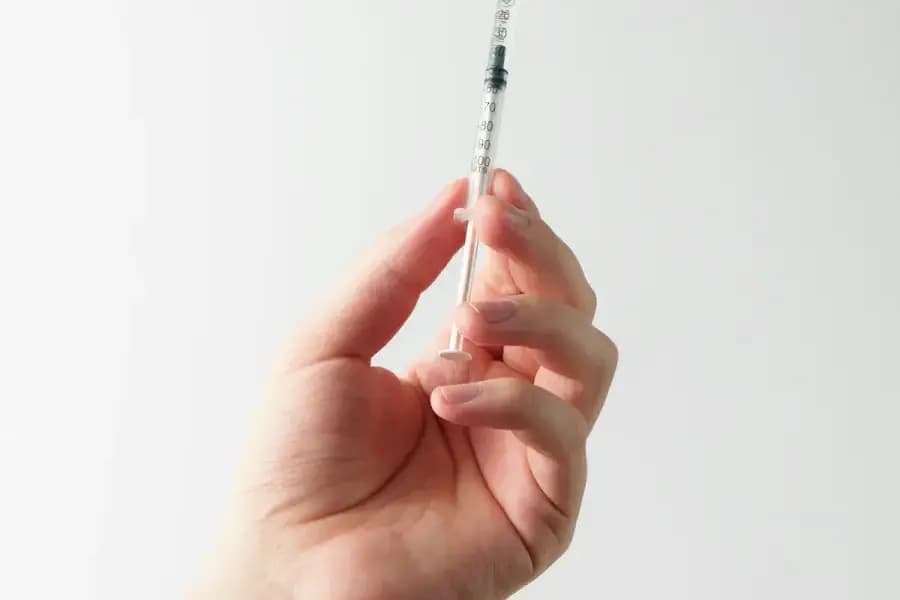
The clinical difference in one sentence each
- Dry needling: Western physiotherapy technique that inserts a filiform needle into a taut myofascial band to elicit a local twitch response and deactivate the trigger point.
- Acupuncture: 2,500-year-old TCM practice that inserts identical needles into meridian points to rebalance qi flow and stimulate self-healing.
- Same needle. Different anatomical target. Different theoretical framework. Different practitioner training.
Head-to-head clinical evidence
For chronic muscle knots and referred pain, a 2020 Cochrane review of 14 RCTs found dry needling produces a 45 percent greater reduction in pain intensity at 4 weeks versus sham needling, and 27 percent greater versus acupuncture for musculoskeletal trigger-point syndromes. For non-musculoskeletal conditions (migraine prevention, chemotherapy-induced nausea, chronic sinusitis) traditional acupuncture has more robust evidence. Bottom line — for muscle knots and referred pain patterns, dry needling wins on quality of evidence. For visceral or systemic conditions, acupuncture may be the better first-line choice.
Safety, side-effects and contraindications
- Both are safe when performed by trained clinicians — needle-related adverse events <0.1 percent in 2019 WHO systematic review.
- Post-treatment soreness for 24–48 hours in 30 percent of patients — normal.
- Contraindications for both: bleeding disorders, active anticoagulation without medical clearance, needle-phobia, pregnancy in first trimester (relative).
- Absolute contraindication for dry needling — over an active infection or malignancy site.
- Always verify practitioner credentials — HCPC / MPT / registered acupuncturist.
Pro Physiotherapy Bangalore's dry-needling protocol
Performed by Dr J Mazumdar, HCPC-registered physiotherapist with 400+ hours of dry-needling training. Session 1: assessment plus 4–6 needle insertions into the primary trigger point. Session 2 (day 3): 6–8 needle insertions across the myofascial chain. Sessions 3–6: progressive taut-band deactivation plus corrective exercise prescription. 90 percent of chronic upper-trap, levator scap and piriformis trigger points resolve within 6 sessions. Cost ₹799 per session, home-visit ₹1,400.
Which one is right for you?
- Muscle knots, referred pain, tension headaches → Dry needling (stronger evidence)
- Chronic sinusitis, hot flushes, IBS, insomnia → Acupuncture (systemic focus)
- Post-surgical rehab, sports injuries, whiplash → Dry needling (musculoskeletal focus)
- Migraine prophylaxis → Both work; acupuncture has more studies
- Fibromyalgia → Dry needling for local pain relief; acupuncture for systemic tone
Frequently Asked Questions
1Does dry needling hurt?
Insertion feels like a mosquito bite. When the needle contacts an active trigger point, a brief 1–2 second local twitch response occurs which most patients describe as a "deep cramp then relief". Post-treatment soreness lasts 24–48 hours in 30 percent of cases.
2How many dry needling sessions do I need?
Acute muscle knots resolve in 2–3 sessions. Chronic trigger points (>3 months) need 6 sessions. Widespread myofascial pain syndrome may need 12 sessions across 6 weeks.
3Is dry needling covered by insurance in Bangalore?
Yes — most OPD insurance riders and corporate group health policies cover dry needling under "musculoskeletal physiotherapy". Direct billing available with Pro Physiotherapy JP Nagar for empanelled insurers.
4Can I combine dry needling with acupuncture?
Yes, but not on the same day. Space treatments 48 hours apart. Combined protocols work well for whiplash and post-traumatic stress-related muscle guarding.
5Who should NOT get dry needling?
Absolute contraindications — active infection at needle site, malignancy at needle site, uncontrolled bleeding disorder, needle-phobia. Relative contraindications — first-trimester pregnancy, immunosuppression, active anticoagulation without medical clearance.