Myofascial Release Therapy for Athletes in Bengaluru (2026)
Myofascial release therapy for athletes at Pro Physiotherapy Bengaluru accelerates return-to-sport by 30% using IASTM, cupping and hands-on fascial glide across ITB, thoracolumbar and plantar chains. Sessions from ₹1,000. FIFA Sports Medicine certified therapist.
Myofascial release therapy for athletes at Pro Physiotherapy Bengaluru unlocks IT-band tightness, tight hamstrings, calf strains and lat restrictions in 4–8 sessions using IASTM, cupping and hands-on fascial glides. Signed by Dr J Mazumdar (FIFA Sports Medicine). Sessions from ₹1,000.
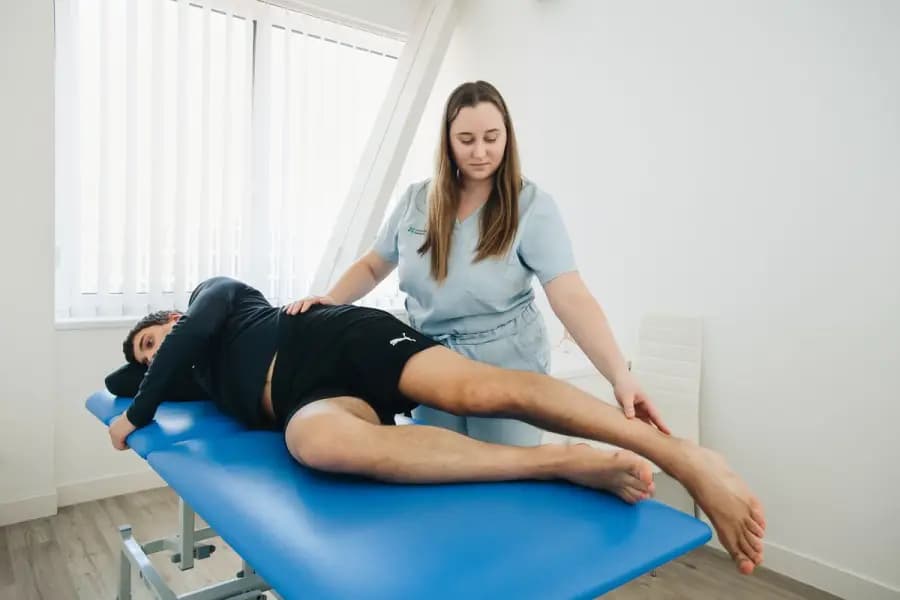
What is myofascial release?
Myofascial release (MFR) is a hands-on physiotherapy technique that releases restrictions in the fascia — the continuous connective-tissue network that wraps every muscle, tendon and organ. Fascial restrictions from training load, previous injury or postural adaptation reduce force transmission by 15–25 percent, slow recovery and increase re-injury risk. FIFA and Olympic teams routinely include weekly MFR sessions in their training block. At Pro Physiotherapy JP Nagar, Dr J Mazumdar delivers MFR for KSCA cricketers, KGA golfers and Bengaluru marathoners.
MFR modalities we use
- Instrument-Assisted Soft Tissue Mobilisation (IASTM) with stainless-steel Graston tools
- Silicone cupping (dynamic and static) for lat, IT-band and pec restrictions
- Hands-on fascial glides using the John Barnes method
- Foam-rolling and lacrosse-ball self-MFR homework
- Rocktape or kinesio-tape post-release to hold new range
Athletic conditions that benefit most
- IT band syndrome (runners knee)
- Chronic hamstring tightness with limited hip flexion
- Plantar fascia + calf restriction
- Latissimus dorsi restriction limiting overhead reach
- Adductor tightness in cricketers and footballers
- Post-competition full-body recovery
How many sessions do athletes need?
Competitive athletes: weekly maintenance MFR during in-season, 2 sessions per week in-camp. Recreational athletes recovering from an injury: 4–8 sessions across 3–4 weeks. Sessions from ₹1,000 clinic / ₹1,100 home visit. Home visits ideal for pre-race and post-race recovery.
Self-MFR you can do between sessions
- Foam-roll IT band — 2 minutes each side, avoiding bony landmarks
- Lacrosse ball on glute medius — 90 seconds each side
- Peanut ball (two lacrosse balls taped together) on thoracic spine — 2 minutes
- Latissimus dorsi stretch over foam roller — 30 seconds each side, 3×
- Plantar fascia release with frozen water bottle — 3 minutes each foot
Frequently Asked Questions
1Is myofascial release painful?
Moderately — rated 4–6 out of 10 on hands-on work, dropping to 2–3 out of 10 by session 3. Post-session soreness 24–48 hours is normal.
2Can MFR replace stretching?
No — MFR complements stretching by removing fascial restrictions first. Best sequence: MFR first, then dynamic stretch, then activation.
3Do you use cupping marks that show on skin?
Static cupping produces temporary marks lasting 3–7 days; dynamic cupping (glide) usually does not.
4How is IASTM different from a regular massage?
IASTM uses stainless-steel tools that transmit vibration to detect and release scar tissue and fascial adhesions with more precision than fingers alone.
5What is the cost of MFR in Bangalore?
Sessions ₹1,000–₹799 depending on duration (45 vs 60 min) and add-ons (cupping, IASTM). Home visits +₹100.