Dry Needling for Chronic Muscle Knots (Trigger Points) in Bangalore (2026)
Dry needling for chronic trigger points at Pro Physiotherapy JP Nagar Bangalore releases persistent muscle knots in 3–6 sessions using sterile filiform needles inserted by an HCPC-registered physiotherapist. Sessions from ₹799. Evidence-based Travell-Simons protocol.
Dry needling at Pro Physiotherapy Bangalore releases chronic muscle knots (myofascial trigger points) in 4–6 sessions across 3–4 weeks. Ideal for stubborn upper trapezius, piriformis, plantar and calf pain. Safe, evidence-based, delivered by FIFA-diploma Dr J Mazumdar. Sessions from ₹1,000 including needling.
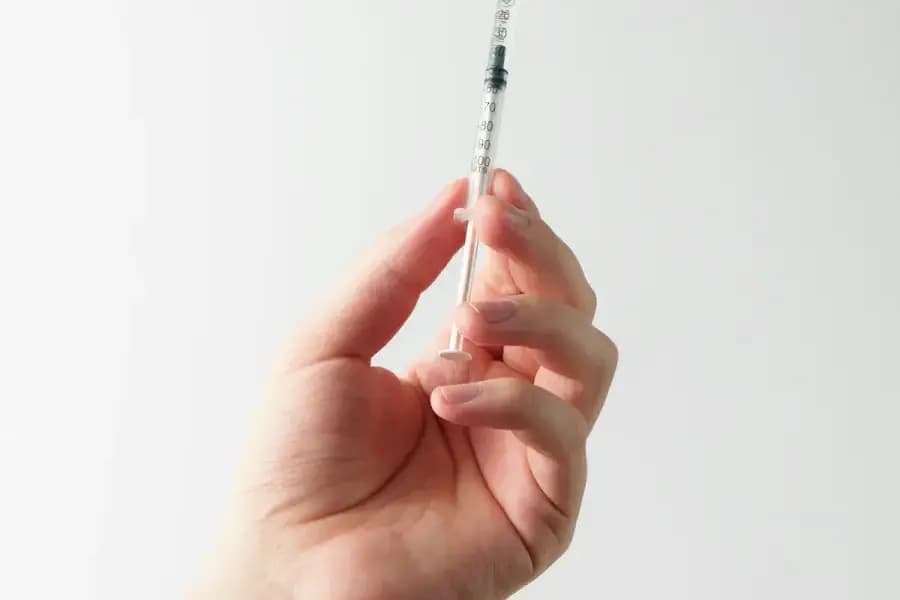
What is dry needling?
Dry needling is an evidence-based physiotherapy technique that uses fine acupuncture-grade needles to release myofascial trigger points — the palpable, sensitive knots that cause referred pain. Unlike acupuncture (which follows meridians), dry needling directly targets neuromuscular dysfunction identified on clinical palpation. Backed by JOSPT, APTA and BMJ guidelines. At Pro Physiotherapy JP Nagar, dry needling is performed by Dr J Mazumdar with sterile single-use needles and full aseptic protocol.
Conditions that respond best to dry needling
- Upper trapezius trigger points (tech neck, tension headaches)
- Piriformis syndrome (buttock pain, sciatic-like referral)
- Plantar fasciitis (calf trigger points refer to heel)
- Tennis and golfer\u2019s elbow (forearm trigger points)
- Frozen shoulder in the freezing phase
- Sub-scapular pain (mid-back burning)
What to expect during a session
- Palpation to identify trigger points (2–5 minutes)
- Skin cleaning with alcohol swab
- Insertion of 1–12 sterile needles for 10–20 minutes
- Optional gentle piston motion to elicit local twitch response
- Post-needling stretching and mobilisation
- Mild post-session soreness for 24–48 hours (normal, ice helps)
How many sessions of dry needling do you need?
Most patients feel 30–50 percent immediate pain relief after session 1. Full trigger-point resolution needs 4–6 sessions across 3–4 weeks, combined with corrective strengthening. Dry-needling sessions from ₹1,000 at Pro Physiotherapy JP Nagar. Not covered by all insurers on standalone — bundle with a regular physiotherapy session for reimbursement.
Contraindications — when we do NOT dry needle
- Uncontrolled bleeding disorder or blood-thinner medication
- Local infection or open wound
- Metal allergy (nickel)
- First trimester of pregnancy for lower-back needling
- Severe needle phobia (we use manual therapy instead)
Frequently Asked Questions
1Is dry needling safe?
Yes when performed by a trained physiotherapist. Adverse-event rate is under 1 percent — mostly bruising or mild soreness lasting 24–48 hours.
2Does dry needling hurt?
The insertion feels like a mosquito bite. The local twitch response is a brief cramping sensation followed by pain relief. Overall well tolerated.
3How is dry needling different from acupuncture?
Same tool (fine sterile needle) but different theory and technique. Dry needling targets neuromuscular trigger points identified on physical exam; acupuncture follows traditional Chinese meridian theory.
4Will one session fix my chronic pain?
You will feel 30–50 percent immediate relief after session 1, but full trigger-point resolution needs 4–6 sessions. Without corrective exercises, knots recur within 2–3 months.
5Is dry needling reimbursed by insurance?
Yes when bundled with a physiotherapy session under a diagnosed musculoskeletal condition. Standalone needling is currently classified as OPD by most insurers.