Women’s Pelvic Health & Pre-Post Natal Physiotherapy in JP Nagar & Anjanapura — Discreet, Proven 8-12 Session Recovery from Embarrassing Diastasis Recti, Incontinence, Prolapse & C-Section Pain (2026)
Women’s pelvic health physiotherapy at Pro Physiotherapy JP Nagar 8th Phase and Anjanapura is delivered by female MPT-qualified physiotherapists (including Dr. Mamatha B.R.) in a private assessment room.
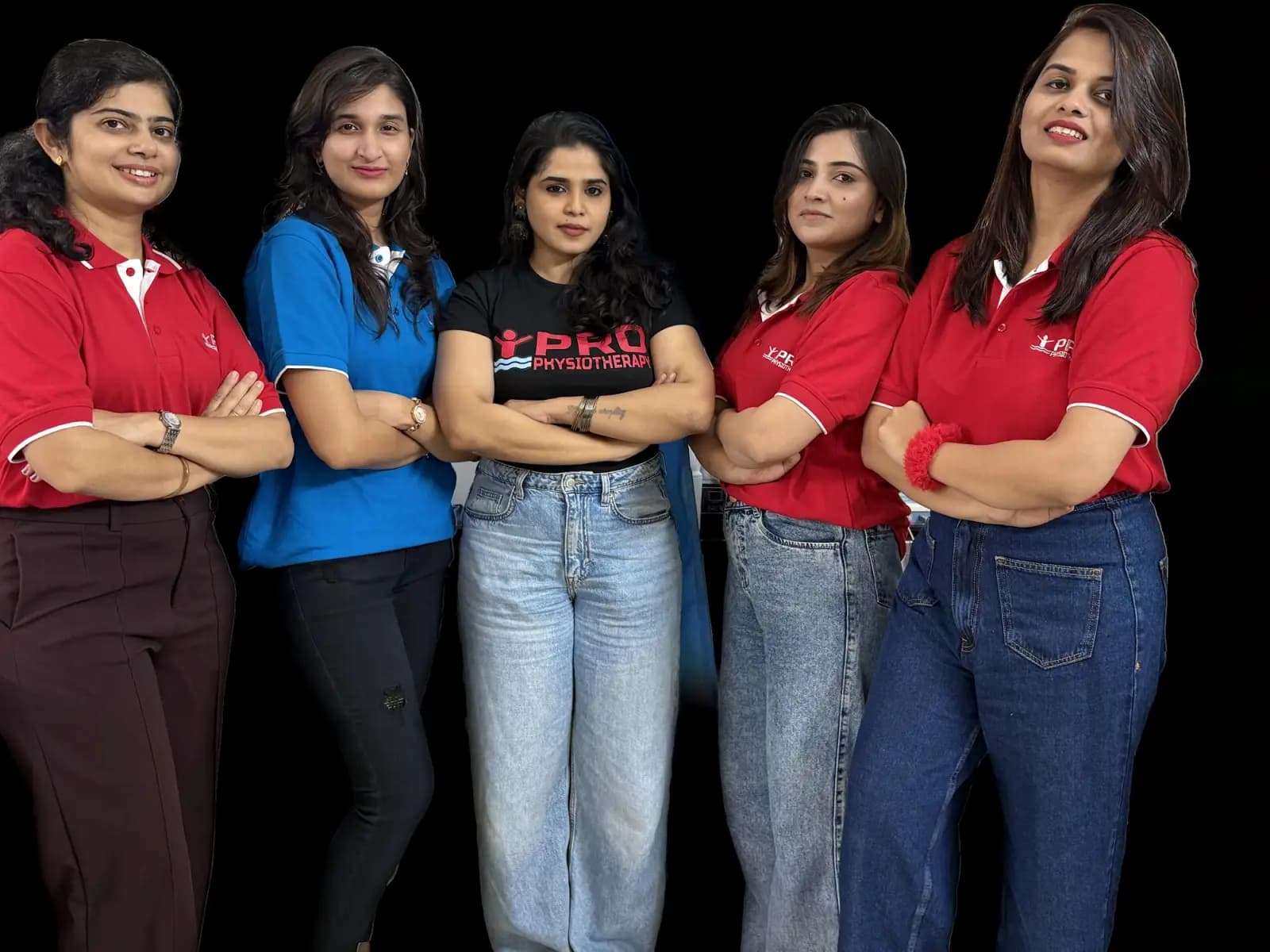
Women’s pelvic health physiotherapy at Pro Physiotherapy JP Nagar 8th Phase and Anjanapura is delivered by female MPT-qualified physiotherapists (including Dr. Mamatha B.R.) in a private assessment room. We treat diastasis recti (Sperstad BJSM 2016 protocol), urinary stress incontinence (Cochrane Dumoulin 2018 confirms pelvic floor muscle training as first-line), pelvic organ prolapse stage I-II (Cochrane Hagen 2011), C-section scar tethering, pubic symphysis dysfunction, and pregnancy back pain (Cochrane Liddle 2015). Typical programme: 8-12 sessions. Sessions ₹549 (clinic) / ₹799 (home).
Postpartum and menopausal women in Bengaluru are dramatically under-served for pelvic health. 30-40% of women after vaginal delivery experience urinary stress incontinence, 60% have diastasis recti at 8 weeks, and 15-20% develop pelvic organ prolapse by menopause. None of this is normal to leave untreated and none of it requires surgery in early stages. Cochrane 2018 (Dumoulin) confirms pelvic floor muscle training halves incontinence episodes in 3 months. Cochrane 2011 (Hagen) confirms it resolves stage I-II prolapse symptoms in 60% without surgery. Our JP Nagar & Anjanapura units offer a discreet, female-physiotherapist-led service covering the full pre-natal → postpartum → menopause spectrum. Sessions ₹549 (clinic) / ₹799 (home).
The Six Core Women’s Pelvic Health Conditions We Treat — And Their Evidence Base
The 3 Most Common Postpartum Women’s Pelvic Health Conditions — Diastasis, Incontinence, Prolapse
1. Diastosis Recti Abdominis (DRA) — mid-line abdominal separation ≥ 2.5 cm. 60% of women have DRA at 8 weeks postpartum (Sperstad 2016). Fix: 12-week progressive protocol combining transverse abdominis activation, deep-core reconnection breathing, and progressive loading. Avoid crunches, planks, sit-ups until inter-recti distance < 2 cm. 2. Urinary stress incontinence — leaks with cough/sneeze/jump. Cochrane Dumoulin 2018: pelvic floor muscle training (PFMT) with real-time ultrasound biofeedback halves episodes in 12 weeks, 8× more effective than no-treatment. 3. Pelvic organ prolapse (stage I-II) — cystocele, rectocele, uterine descent. Cochrane Hagen 2011: PFMT resolves symptoms in 60% of stage I-II cases and delays or avoids surgery.
C-Section Recovery, Pregnancy Back Pain & Menopausal Women’s Pelvic Health
4. C-Section scar tethering — the surgical scar adheres to fascial layers below, causing chronic pelvic pain, urinary urgency and painful intercourse years later. 8-session scar mobilisation programme reverses this in most patients. 5. Pregnancy back pain and pubic symphysis dysfunction (PSD/SPD) — antenatal exercise (Cochrane Liddle 2015) reduces pain severity 30-50%. Pelvic belts, sacroiliac stabilisation and hip mobility work are all indicated. 6. Menopausal genitourinary syndrome + prolapse prevention — declining oestrogen weakens pelvic floor. Preventive PFMT programme from age 45 significantly reduces later prolapse and incontinence risk. All assessments are in a private room by a female physiotherapist. Internal vaginal examination is offered but never mandatory — external anatomical palpation and real-time ultrasound biofeedback can achieve the same functional assessment.
Transparent Pricing — From ₹549
No hidden fees · Insurance-reimbursableEvery session receipt carries ICD-10 codes accepted by Star Health, HDFC ERGO, ICICI Lombard, Care Health, Aditya Birla and Manipal Cigna for reimbursement. Outer-perimeter home visits carry a transparent ₹150 surcharge.
“Great experience at Pro Physiotherapy, JP Nagar 8th Phase. The doctor is excellent, and his team is very supportive. Really happy with the care for my back. Highly recommended!”
Frequently Asked Questions
Will my women’s pelvic health assessment be with a female physiotherapist?
Is internal pelvic examination required?
How soon after delivery can I start postpartum rehab?
I leak urine when I sneeze — is that normal after childbirth?
Can pelvic floor physio help my prolapse without surgery?
Do you offer prenatal classes?
What are the fees?
Book a clinical consultation at Pro Physiotherapy JP Nagar
FIFA-diploma-led team · 945+ verified 5★ Google reviews · Same-day slots · Transparent pricing.
Clinical evidence cited in this article
- Dumoulin C, Cacciari LP, Hay-Smith EJC (2018). Pelvic floor muscle training for urinary incontinence in women: Cochrane review. Cochrane Database Syst Rev. https://pubmed.ncbi.nlm.nih.gov/30288727/
- Sperstad JB, Tennfjord MK, Hilde G, et al. (2016). Diastasis recti abdominis: prevalence and rehabilitation. Br J Sports Med · 50: 1092-1096. https://pubmed.ncbi.nlm.nih.gov/27324871/
- Hagen S, Stark D (2011). Pelvic floor muscle training for pelvic organ prolapse: Cochrane. Cochrane Database Syst Rev. https://pubmed.ncbi.nlm.nih.gov/22161388/
- Liddle SD, Pennick V (2015). Antenatal exercise for prevention of gestational back pain: systematic review. Cochrane Database Syst Rev. https://pubmed.ncbi.nlm.nih.gov/26422811/