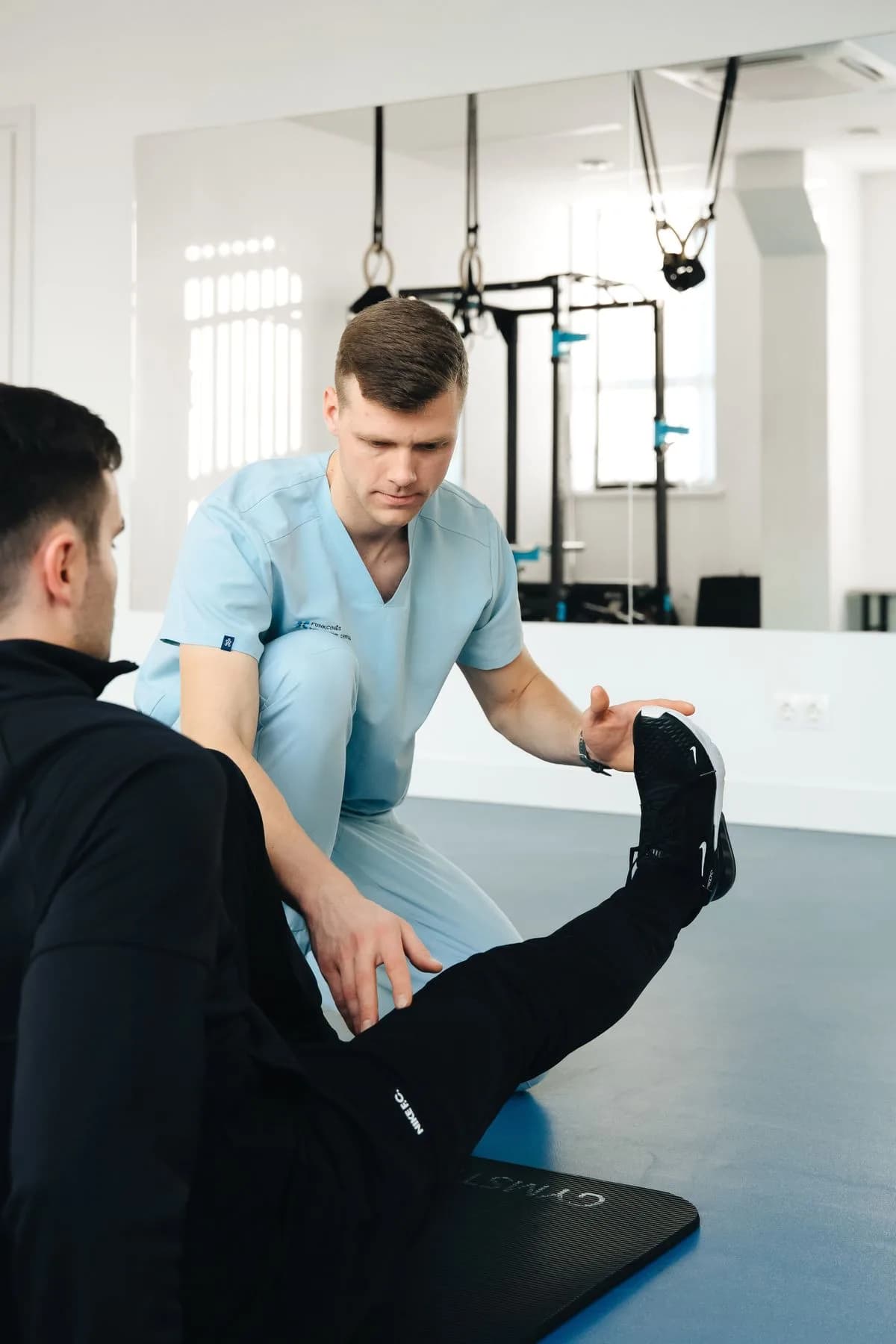
Post-COVID rehab in Bangalore addresses one of the most under-recognised long-term legacies of the pandemic. Long-COVID — persisting symptoms beyond 12 weeks after the acute infection — affects an estimated 6–10% of Indians who had symptomatic COVID-19. Symptoms include debilitating fatigue, exercise intolerance (post-exertional malaise), breathlessness on mild exertion, brain fog, palpitations and sleep disruption. At Pro Physiotherapy JP Nagar, Dr J Mazumdar's team delivers a 12-week structured programme validated by the WHO Rehabilitation Manual (2022).
Structured pacing — not pushing through — is the cornerstone. Aggressive graded exercise in the acute long-COVID phase risks worsening post-exertional malaise. We instead use heart-rate-guided pacing, respiratory retraining, autonomic regulation, and gradual functional return. Most patients regain 80–90% of pre-COVID function by week 12; a minority need longer support.
Understanding Long-COVID — Mechanisms & Physiotherapy Role
Structured physiotherapy — carefully individualised — improves the Post-COVID Functional Status score by an average of 2 grades over 12 weeks (Lancet Respiratory Medicine 2023). Bangalore patients often present after months of well-meaning but harmful over-exercise; the first therapeutic step is often to slow down rather than speed up.
Clinical Assessment on Day One
Baseline assessment includes: Post-COVID Functional Status Scale, 1-minute Sit-to-Stand test (surrogate for exercise tolerance), 6-minute walk test with pulse oximetry, DePaul Symptom Questionnaire (PEM screening), NASA lean test (for orthostatic intolerance), respiratory pattern analysis, and heart-rate variability (where available). We map the individual symptom cluster before designing the plan — cardiopulmonary-predominant, fatigue/PEM-predominant, or mixed.
Structured Treatment Timeline
| Treatment Phase | Clinical Focus | Expected Milestone | Timeline |
|---|---|---|---|
| Weeks 1–4 · Stabilisation | Symptom mapping, pacing education, respiratory retraining, sleep hygiene | PEM triggers understood, breathing pattern normalised | 2 sessions/week |
| Weeks 5–8 · Regulation | Autonomic training, gentle strength, orthostatic tolerance, cognitive pacing | 1-min sit-to-stand improved 30%, less breathlessness | 1–2 sessions/week |
| Weeks 9–12 · Progression | Return-to-work coaching, functional endurance, sport-specific / hobby return | Return to modified work, hobbies resumed | 1 session/week |
| Beyond 12 weeks · Maintenance | Written home programme + 4-weekly review as needed | Sustained 80–90% pre-COVID function | As needed |
Step-by-Step Rehabilitation Protocol
- 1Pacing education (session 1)The "energy envelope" concept — activity + rest budgeting that prevents post-exertional crashes. Critical baseline skill.
- 2Diaphragmatic breathing retrainingRestores normal breathing pattern disrupted by weeks of shallow breathing. Powerfully reduces breathlessness and anxiety.
- 31-minute sit-to-stand + weekly re-measureObjective, quick tracker of cardiovascular deconditioning — motivating and objective.
- 4Autonomic nervous system regulationSlow-nasal-breathing drills, cold-face immersion, vagus-nerve stimulation exercises — reduce palpitations and dizziness.
- 5Heart-rate-guided exercise progressionExercise capped at 60% of maximum heart rate initially. Never push through PEM warning signs.
- 6Sleep hygiene and circadian re-alignmentStructured sleep-wake schedule, morning light exposure, screen curfew. Sleep quality is the single strongest predictor of long-COVID recovery speed.
- 7Return-to-work pacing planWritten graduated return — often 2 hours/day for week 1, then 4 hours/day for week 2 — coordinated with your employer.
- 8Cognitive pacing for brain fogFocused 25-minute work blocks, structured rest, and cognitive load monitoring — mirrors the pacing principles applied to physical activity.
Frequently Asked Questions
How long does long-COVID rehab take?
Is graded exercise safe for long-COVID?
Do you offer home visits for long-COVID patients?
Will exercise cure my long-COVID?
When should I see a physician alongside physiotherapy?
Related services at Pro Physiotherapy
Clinical references cited on this page
Book same-day home-visit physiotherapy in Bengaluru
FIFA-diploma-led team · 945+ verified 5★ Google reviews · Same-day slots · Transparent pricing.