The sharp, shooting pain that starts in your lower back and travels down your leg — sometimes to your toes — can bring your life to a standstill. Perhaps you’ve been told “you might need surgery.” The reality? Over 90% of sciatica cases can be resolved through targeted physiotherapy alone. Here’s the definitive guide to sciatica treatment without surgery in Bangalore, based on 15+ years of clinical practice and world-class evidence-based protocols.
What Is Sciatica, Really?
Sciatica isn’t a diagnosis — it’s a symptom. Specifically, it’s pain that follows the path of the sciatic nerve, the longest nerve in your body, running from your lower back through your buttocks and down each leg.
According to research published in the Nature Reviews Neurology, most sciatica cases result from:
- Lumbar disc herniation (55% of cases)
- Spinal stenosis (20%)
- Piriformis syndrome (15%)
- Facet joint dysfunction (7%)
- Other causes (3%)
Understanding your specific cause — not just the pain pattern — is critical for effective treatment.
Recognizing Sciatica Symptoms
True sciatica typically presents as:
- Shooting or burning pain from lower back down one leg
- Numbness or tingling along the leg
- Weakness in specific muscles (calf, foot)
- Pain that worsens with prolonged sitting
- Relief when lying down
- Difficulty walking or standing straight
Warning signs requiring immediate medical attention:
- Loss of bladder or bowel control
- Progressive weakness (foot drop)
- Pain following a traumatic injury
- Fever accompanying the pain
The 9 Physiotherapy Solutions That Actually Work
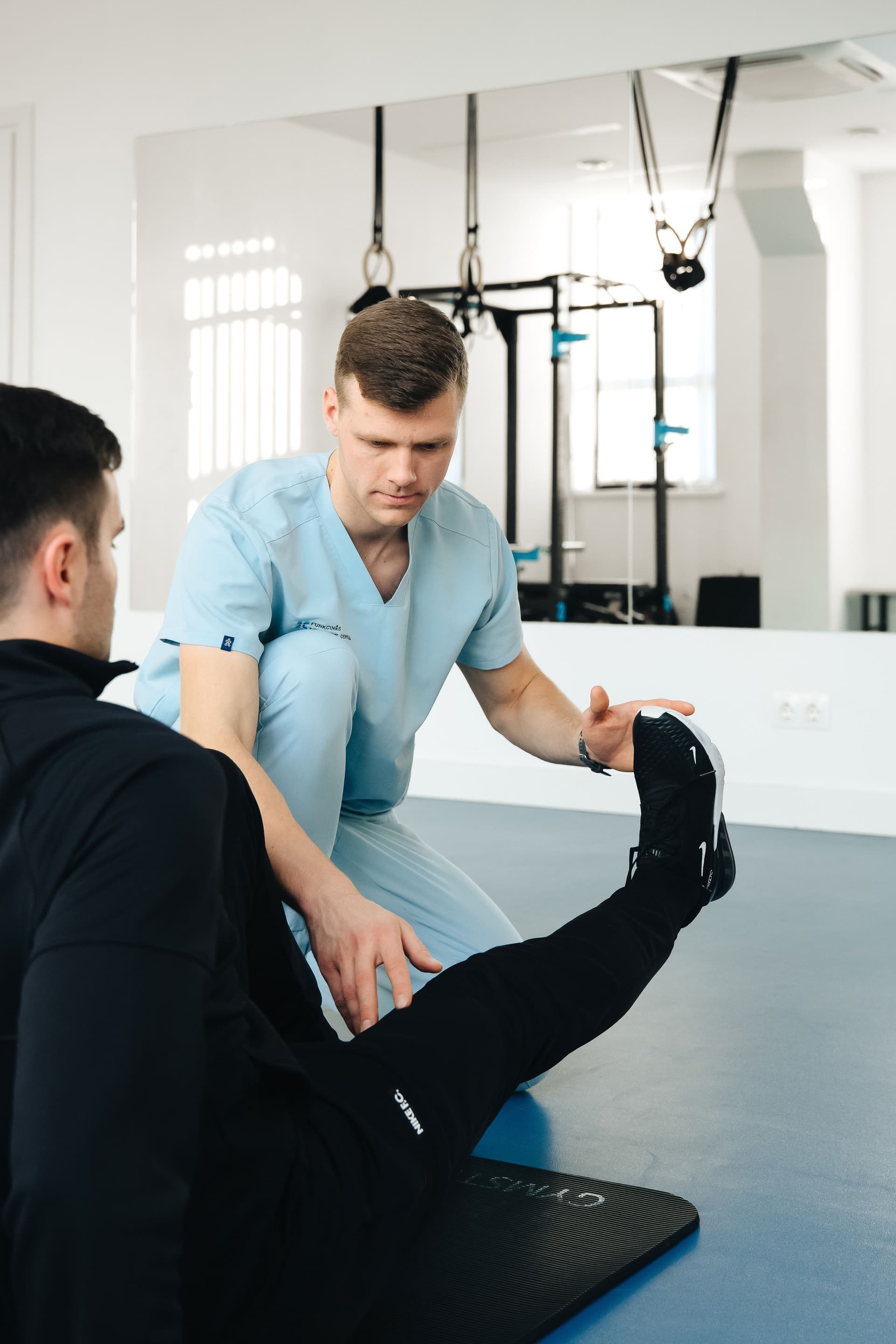
Not every technique works for every sciatica case. This is why proper assessment matters. Our approach at Pro Physiotherapy JP Nagar draws from these evidence-based techniques:
1. Neural Mobilization (Nerve Gliding)
Specialized techniques to help the sciatic nerve move freely through its pathway. This is often the fastest pain-relief technique.
- Sciatic nerve slides in specific positions
- Progressive tension work
- Combined with breathing techniques
2. McKenzie Method (Repeated Extension)
A globally recognized protocol involving specific back-extension movements that can reduce disc bulging and centralize pain.
3. Manual Therapy for Lumbar Joints
Precise mobilization of stiff spinal segments that may be contributing to nerve irritation.
4. Piriformis Muscle Release
The sciatic nerve passes near (sometimes through) the piriformis muscle. Trigger point release and specific stretching can be transformative.
5. Core Stability Training
Weak deep abdominal muscles (transversus abdominis) fail to support the spine adequately. Retraining is essential for long-term recovery.
6. Progressive Loading Program
Slowly reintroducing spinal loading through carefully sequenced exercises, avoiding aggravating positions.
7. Postural Retraining
Sciatica often results from years of poor posture and movement patterns. Using our AI posture analysis, we identify the specific patterns to change.
8. Modalities for Acute Pain
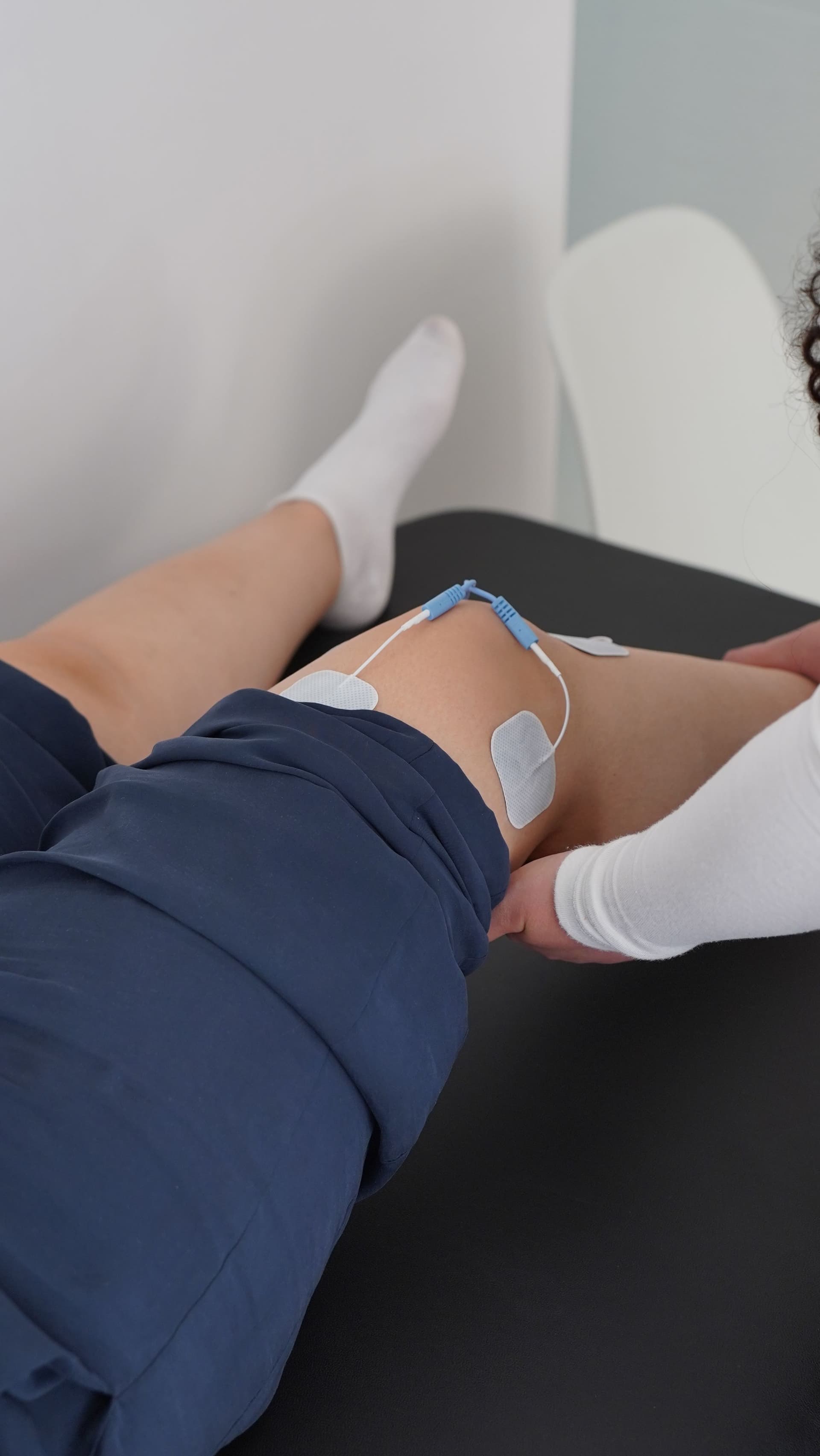
Short-term use of TENS, heat therapy, or interferential current can help manage acute pain while you learn active techniques.
9. Home Program Integration
All progress made in the clinic must be reinforced at home. We provide specific written and video-guided routines.
3 Things NOT to Do
Common practices that actually worsen sciatica:
1. Complete Bed Rest
Old advice suggested weeks of rest. Modern research shows this actually delays recovery. Stay active within pain tolerance.
2. Random Stretching
The famous “piriformis stretch” can worsen certain sciatica patterns. Wrong stretch + wrong condition = extended suffering.
3. Waiting for MRI Results
MRIs often show findings that aren’t actually causing your pain. Studies show 50% of pain-free adults over 40 have disc bulges on MRI. Treatment shouldn’t wait for imaging in most cases.
Home Strategies for Sciatica Relief
Immediate Pain Management
- Try the “90-90 position”: Lie on back, feet on chair, knees at 90°. Reduces pressure on lumbar spine.
- Alternate ice (10 min) and heat (10 min) on painful area
- Practice diaphragmatic breathing to reduce muscle tension
- Take short (5-minute) walks every 1–2 hours
Sleep Positions
- Side sleeping: Pillow between knees to reduce spinal rotation
- Back sleeping: Pillow under knees to flatten the lumbar curve
- Avoid stomach sleeping — extends the lower back
Daily Life Modifications
- Sit on firm surfaces (avoid sinking sofas)
- Get up every 20–30 minutes from sitting
- Wear supportive shoes
- Avoid heavy lifting until cleared
The Evidence: Why Surgery Is Rarely Necessary
A landmark study in the Journal of American Medical Association followed 380 sciatica patients over 5 years:
- Physiotherapy group: 78% pain-free at 5 years
- Surgery group: 82% pain-free at 5 years
- The 4% difference wasn’t statistically significant
Considering surgery’s risks, costs, and recovery time, physiotherapy emerges as the clear first-line treatment for most sciatica sufferers.
Realistic Recovery Timeline
- Acute sciatica (recent onset): 6–8 weeks to significant relief
- Chronic sciatica (3+ months): 12–16 weeks for major improvement
- Post-treatment maintenance: Monthly check-ins for 6 months, then quarterly
Why Choose Our Sciatica Treatment Without Surgery Bangalore Approach?
Not all clinics offer the same expertise:
- Senior physiotherapist with 15+ years focus on spine cases
- Comprehensive assessment before any treatment
- Integration of multiple evidence-based techniques
- Direct coordination with spine specialists when needed
- Home-visit options for severe acute cases
- Explore our services or meet our team
Frequently Asked Questions
How long before I feel relief from sciatica physiotherapy?
Most patients report 30-40% pain reduction within the first week and 70-80% by week 4-6. Chronic cases may take 8-12 weeks for major relief.
Can sciatica come back after physiotherapy?
Without proper maintenance, yes — up to 30% of cases recur within 2 years. That’s why we include lifelong prevention strategies in every treatment plan.
Should I get an MRI before starting physiotherapy?
Usually not initially. If red flags are absent, we can start conservative care immediately. MRI is recommended only when necessary based on clinical findings.
What if my sciatica is due to a herniated disc?
Even significant disc herniations respond very well to physiotherapy. Surgery is rarely necessary except in cases of progressive weakness or cauda equina syndrome.
Can pregnant women receive sciatica physiotherapy?
Yes — sciatica during pregnancy is quite common and responds well to appropriately modified physiotherapy techniques.
Choose Freedom From Pain
You don’t have to live with sciatica. Surgery isn’t the answer for most sufferers. Effective, targeted physiotherapy can restore your life — often more quickly than you might imagine.
Take the first step toward relief. Book your sciatica assessment today or contact us for evening or home-visit slots.