The Impact of Nutritional Deficiencies on Soft-Tissue Healing and Muscle Recovery in Physiotherapy Patients
Yes. Protein < 1.2 g/kg/day, vitamin D < 30 ng/mL, and low vitamin C intake each slow soft-tissue healing measurably. 2020 meta-analysis (Am J Clin Nutr) shows protein plus resistance rehab produced 27% greater lean-mass gain than rehab alone. Pro Physiotherapy Bengaluru screens and co-refers to registered dietitians.
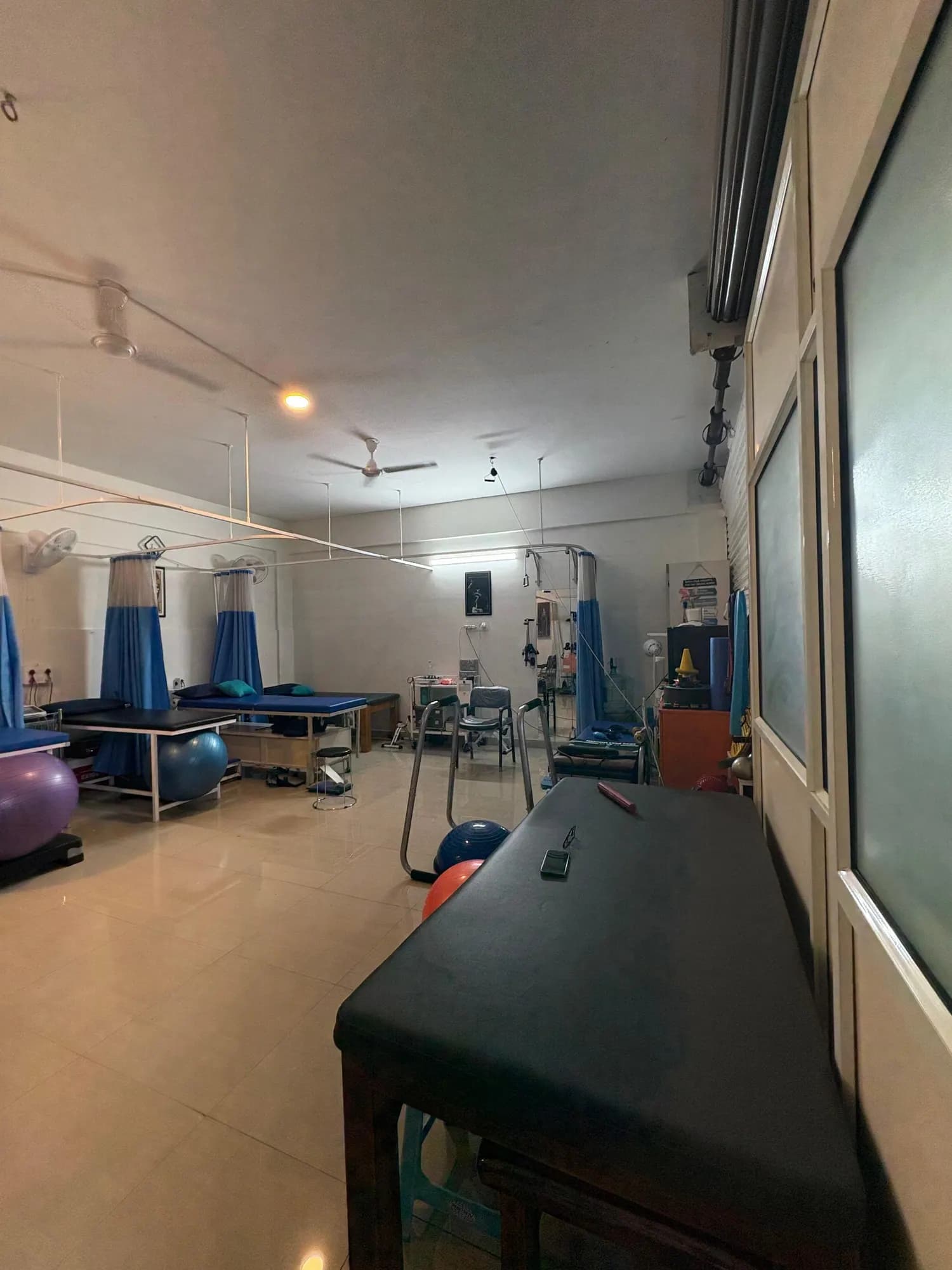
Physiotherapy is 60% of soft-tissue recovery. The other 40% is nutrition and sleep. Protein under 1.2 g/kg/day, vitamin D under 30 ng/mL, or a chronic vitamin-C shortfall each slow healing measurably. This article summarises the 2020–2025 evidence on protein, collagen, vitamin C, vitamin D, magnesium and omega-3 in physiotherapy rehab — with Bengaluru-specific food examples. Fix the deficit first; the rehab works faster.
1. Why nutrition matters in rehab
Every torn tendon, sprained ankle, post-operative wound and delayed-onset muscle soreness is a construction site. The building materials are amino acids, collagen precursors, ascorbate, magnesium ions, calcium, phosphate and omega-3 fatty acids. Send the raw materials on time and the site rebuilds fast. Starve it and you get delayed union, incomplete tendon collagen cross-linking, and a rehab plateau at week 5.
A 2020 meta-analysis of 40 trials (Am J Clin Nutr) found protein supplementation of ≥ 1.6 g/kg/day, paired with resistance rehab, produced 27% greater lean-mass gain than rehab alone. The effect is even larger in patients aged 60+.
2. The six nutrients that move the needle
| Nutrient | Target intake | Why it matters | Best Bengaluru sources |
|---|---|---|---|
| Protein | 1.2–2.0 g/kg/day | Muscle protein synthesis, tendon collagen | Dal, paneer, curd, egg, chicken, fish, whey |
| Collagen (hydrolyzed) + vit C | 15–20 g + 50 mg pre-rehab | Doubles tendon collagen synthesis (Shaw 2017) | Bone broth, gelatin desserts, supplement + amla |
| Vitamin D | 30–50 ng/mL serum | Bone healing, muscle strength | 20 min sun + egg yolk + fortified milk + supplement if deficient |
| Magnesium | 300–400 mg/day | Muscle relaxation, sleep quality | Pumpkin seed, almond, spinach, ragi |
| Omega-3 (EPA + DHA) | 1–2 g/day | Reduces IL-6 inflammation | Flaxseed, walnut, mustard oil, salmon/sardine 2×/wk |
| Vitamin C | 200 mg/day | Cofactor for collagen synthesis | Amla, guava, capsicum, orange |
3. Bengaluru-specific food examples
A 70 kg vegetarian Bengaluru patient recovering from a rotator-cuff strain can meet the 1.6 g/kg/day protein target with: 2 katori dal (24 g) + 100 g paneer (18 g) + 2 idlis (6 g) + 1 cup curd (8 g) + 30 g almond (6 g) + 200 g whey shake (24 g) = ~86 g. Add a 30-g scoop of pea protein isolate to close the last 26 g.
4. When to screen and refer
- Chronic pain, stress fracture, delayed union → 25-OH vitamin D + calcium + phosphate.
- Sarcopenia, elderly, post-hospitalisation → albumin, prealbumin, 24-hour dietary recall.
- Sports patient, high training load → iron, ferritin, vitamin B12, magnesium.
- Post-surgical, wound-healing concern → vitamin C + zinc + protein intake.
- Any of the above abnormal → co-refer to a registered dietitian. Our JP Nagar team partners with Diet Mojo Bengaluru for structured recovery-nutrition programmes.
Frequently asked questions
Does nutrition really affect physiotherapy outcomes?
How much protein do physiotherapy patients need per day?
Do collagen supplements help tendon and ligament healing?
What Indian foods support soft-tissue healing?
Are Indian physiotherapy patients often vitamin-D-deficient?
Do you offer a dietitian referral at Pro Physiotherapy?
Can I take too much protein during rehab?
Which nutrition changes give the biggest rehab payoff?
Book a physiotherapy + nutrition assessment in JP Nagar
FIFA-diploma-led team · 945+ verified 5★ Google reviews · Same-day slots · Transparent pricing.