Evidence-Based Rehabilitation Protocols for Lumbar Disc Herniation: When to Choose Physiotherapy Over Surgery
For most lumbar disc herniations, structured physiotherapy resolves symptoms in 6–12 weeks and matches surgery on 8-year outcomes (SPORT trial, NEJM 2006). Surgery is indicated for cauda equina, progressive motor deficit, or 6–12 weeks of failed conservative care. Pro Physiotherapy in JP Nagar runs the day-1 examination and co-refers to spine services when red flags appear.
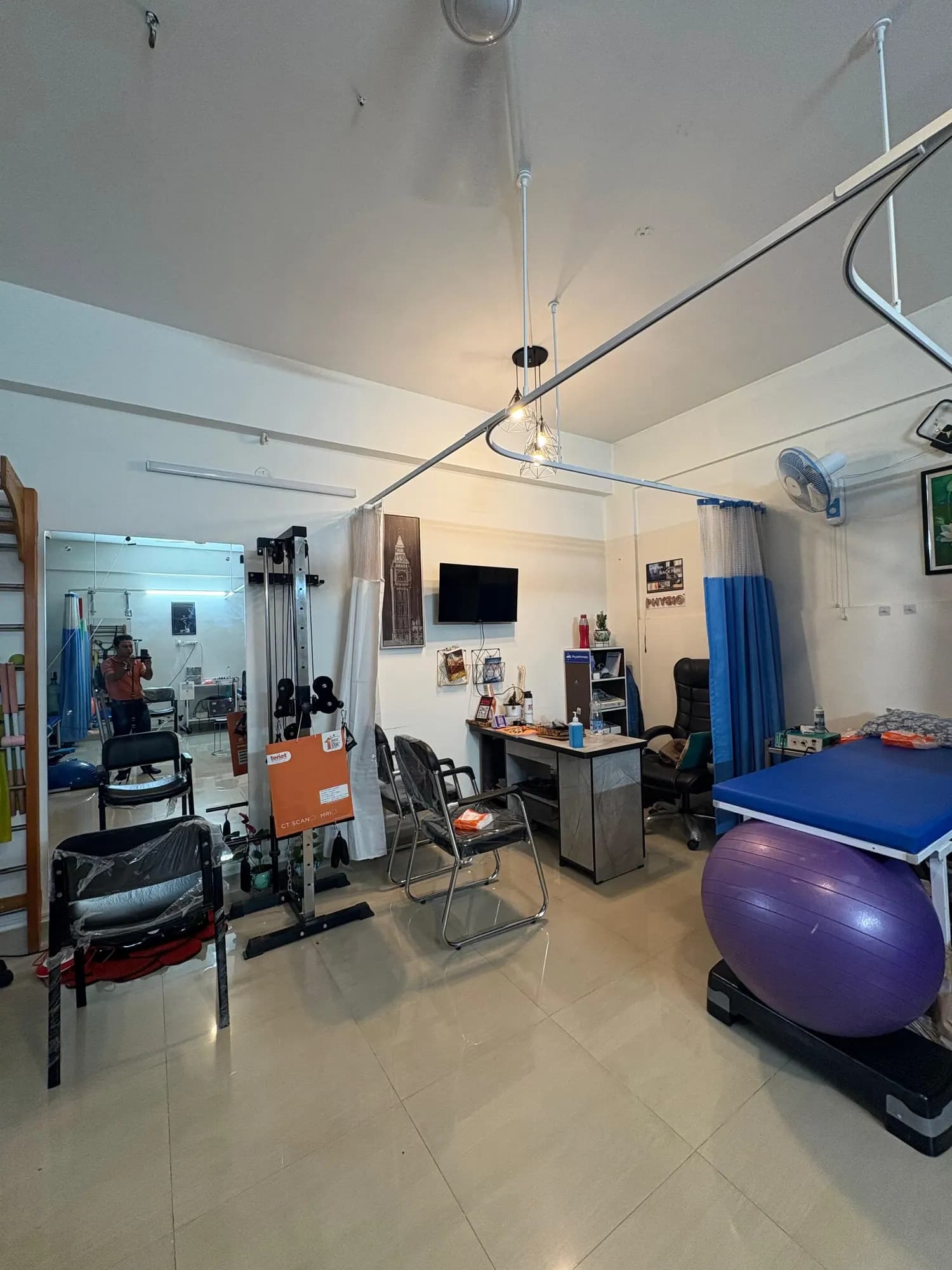
The best evidence — the SPORT trial (Weinstein 2006, NEJM) plus 2019 Cochrane review — shows physiotherapy and surgery deliver similar 8-year outcomes for most lumbar disc herniations. Surgery is only clearly superior when red flags are present. A structured 6–12-week conservative programme resolves symptoms in ~60–70% of patients. Try physiotherapy first — escalate only if the numbers demand it.
1. The evidence base — SPORT and beyond
The Spine Patient Outcomes Research Trial (Weinstein 2006, NEJM) followed 501 patients with imaging-confirmed lumbar disc herniation randomised to surgery or non-operative care. At 8-year follow-up, both groups reported similar pain and function scores. A 2019 Cochrane review confirmed the same signal.
The take-away is not that surgery is bad. It is that surgery is one option among several, and for most patients, is not the first option. The right first step is a structured, phased, outcome-scored rehab programme.
2. The decision framework
| Scenario | First-line choice | Why |
|---|---|---|
| Mechanical LBP + leg pain, no red flags | Physiotherapy | 60–70% resolve in 6–12 weeks (SPORT / Cochrane) |
| Radicular pain with centralisation on McKenzie exam | Physiotherapy | Directional preference is a strong positive prognostic sign |
| Progressive motor deficit (foot drop, quad weakness) | Urgent spine consult | Motor function preservation is time-sensitive |
| Cauda equina signs (saddle numbness, bladder/bowel loss) | Emergency neurosurgery | Time-sensitive; 24-hour surgical window |
| Failed 6–12 weeks of conservative care | Spine consult with written physio summary | Relative surgical indication |
| Chronic 12+ months, no red flags | Extended physiotherapy + pain management | Surgery rarely improves chronic non-red-flag cases |
3. The 12-week conservative protocol
Every 4th session we re-score the Oswestry Disability Index (ODI), Numeric Pain Rating Scale and SLR test. If ODI does not improve by 10 points between weeks 4 and 8, we escalate to imaging + specialist consult.
4. Red flags that trigger surgical referral
- Sudden loss of bladder or bowel control
- Saddle numbness (perineum)
- Progressive foot drop or quadriceps weakness
- Night-only pain unrelieved by rest
- Fever + back pain
- Unexplained weight loss with back pain
5. Cost comparison Bengaluru 2026
| Option | Total cost (Bengaluru 2026) | Time off work | Insurance |
|---|---|---|---|
| Full 12-week physiotherapy programme | ₹8,900–₹24,500 | 0 days (part-time) | Reimbursed with ICD-10 M51.2 |
| Microdiscectomy (private hospital) | ₹1.5–4 lakh | 2–6 weeks | Reimbursed |
| Endoscopic discectomy | ₹2.5–5 lakh | 2–4 weeks | Reimbursed |
| Failed conservative → surgery | ₹1.6–4.3 lakh | 2–6 weeks | Both reimbursed |
Frequently asked questions
Can lumbar disc herniation heal without surgery?
When is surgery the correct choice for lumbar disc herniation?
What is the McKenzie method and why does it help disc herniation?
Can I go straight to a physiotherapist for lumbar disc herniation in Bengaluru?
How long does conservative rehabilitation for disc herniation take?
What happens if physiotherapy fails to resolve my disc herniation?
Does Pro Physiotherapy work with spine surgeons in Bengaluru?
What is the cost of lumbar disc herniation physiotherapy in Bengaluru?
Book a lumbar disc herniation assessment in JP Nagar
FIFA-diploma-led team · 945+ verified 5★ Google reviews · Same-day slots · Transparent pricing.