7 Proven Home-Based Steps for Stroke Rehabilitation & Neurological Paralysis Recovery in Bangalore — JP Nagar · Jayanagar · BTM Layout · Gottigere | From ₹549
Stroke rehabilitation at home in Bangalore delivers structured 12-week neuro-physiotherapy — Bobath, NDT, constraint-induced movement therapy, mirror therapy, task-specific practice and gait training — by MPT-Neuro clinicians who home-visit across JP Nagar, Jayanagar, BTM Layout, Gottigere and Basavanagudi. Pro Physiotherapy.
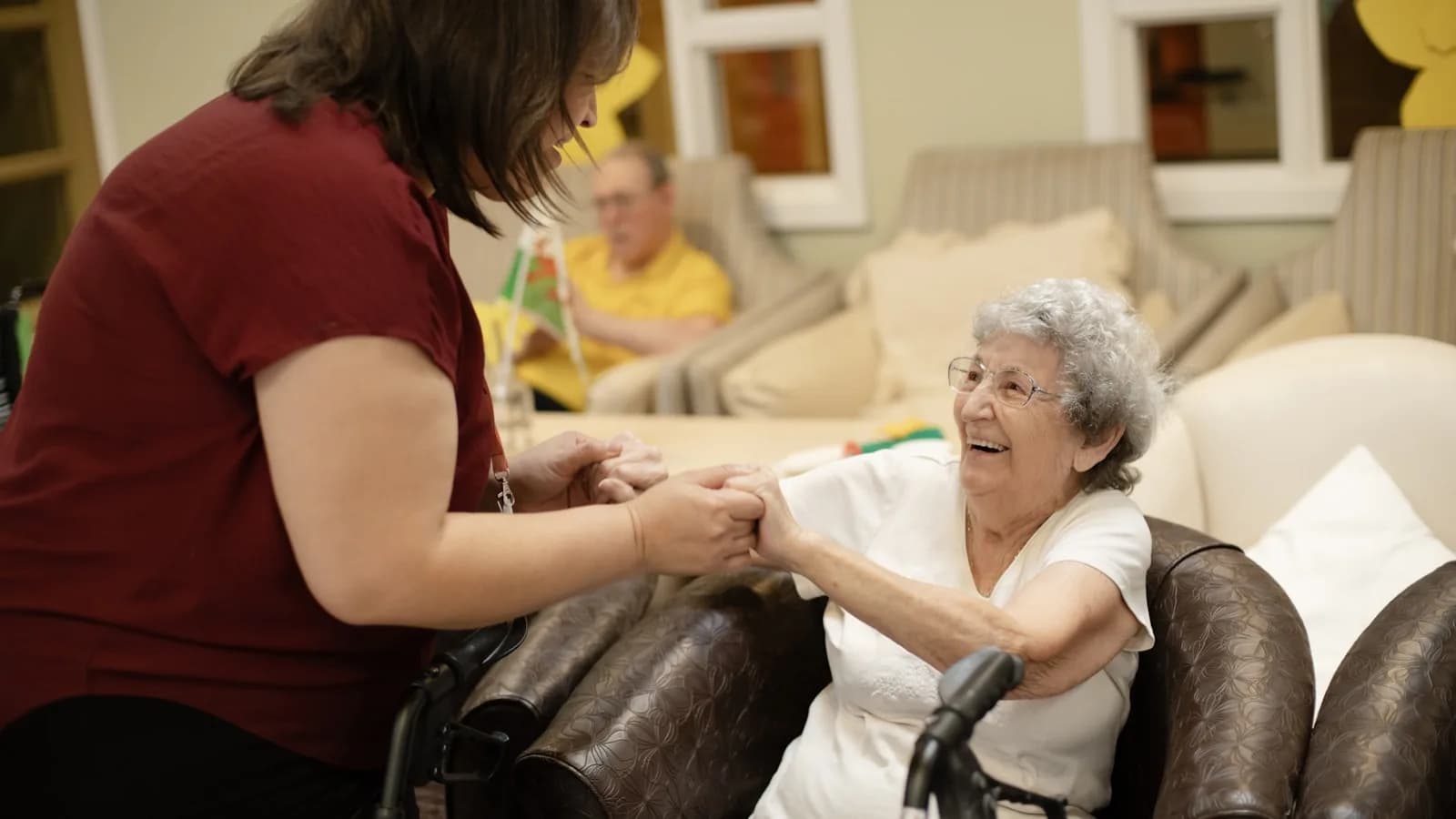
Stroke rehabilitation at home in Bangalore delivers structured 12-week neuro-physiotherapy — Bobath, NDT, constraint-induced movement therapy, mirror therapy, task-specific practice and gait training — by MPT-Neuro clinicians who home-visit across JP Nagar, Jayanagar, BTM Layout, Gottigere and Basavanagudi. Pro Physiotherapy. Sessions from ₹549. detailed insurance-friendly receipt.
The first 6 months post-stroke is when the brain rewires fastest — every additional day of delay in structured rehab costs measurable motor recovery. Pro Physiotherapy delivers a 7-step home-visit protocol combining Bobath / NDT, constraint-induced movement therapy, mirror therapy, task-specific practice and gait training across JP Nagar, Jayanagar, BTM Layout, Gottigere and Basavanagudi. Led by MPT-Neuro clinicians. Sessions from ₹549. detailed insurance-friendly receipt with ICD-10 I63/I69 accepted for Star, HDFC ERGO, ICICI Lombard, Care Health, Aditya Birla reimbursement.
Understanding Stroke & Why Home Rehab Wins in the First 6 Months
Stroke (cerebrovascular accident, CVA) is a sudden neurological injury caused by either ischaemia (85%) or haemorrhage (15%) in the brain's vascular supply. The dominant post-stroke deficit is hemiplegia / hemiparesis — weakness on the opposite side of the body — often accompanied by aphasia, dysphagia, hemispatial neglect and depression. The Stroke Association confirms that structured rehabilitation begun within 72 hours of discharge improves 12-month functional outcome by 40–60%.
The rehabilitation window matters. Krakauer et al. 2012 demonstrated that motor cortex plasticity is highest in the first 3–6 months after stroke. Task-specific, high-repetition training in this window delivers gains that are structurally impossible to replicate later. Home rehab wins on three counts: (a) real-world context is where motor tasks must generalise, (b) family involvement is highest at home, (c) transport-related fatigue that undermines therapy at a clinic is eliminated.
Day-1 Home Assessment · JP Nagar / Jayanagar / BTM / Gottigere
The 90-minute home visit is performed by a neurological-physiotherapy-specialist clinician. Testing includes: Fugl-Meyer Motor Assessment (upper + lower limb), Postural Assessment Scale for Stroke (PASS), Berg Balance Scale (BBS), 10-metre walk test (10MWT), Modified Ashworth Scale for spasticity, Barthel Index for activities of daily living, and a hemispatial-neglect screen (line bisection + star cancellation).
We coordinate directly with the treating neurologist (Apollo, Manipal, Fortis, Sakra, Aster, HCG, Narayana) and share weekly outcome scores by WhatsApp. Every invoice carries ICD-10 codes I63.9 (ischaemic stroke unspecified), I61.9 (haemorrhagic stroke), I69.351 (hemiplegia sequela), CPT 97110 / 97112 / 97530 / 97535 (ADL training), clinician credentials and GST. Star Health, HDFC ERGO, ICICI Lombard, Care Health, Aditya Birla and Manipal Cigna have all reimbursed our home-visit stroke cases in 2026.
Stroke — Structured 12-Week Home Rehab Matrix
| Phase | Weeks | Clinical Focus | Milestone |
|---|---|---|---|
| Acute · Safety & Reactivation | Weeks 1–2 | Positioning · passive ROM · bed mobility · early sit · dysphagia screen · caregiver education | Independent bed-to-chair transfer |
| Sub-acute · Motor Retraining | Weeks 3–8 | Bobath / NDT · task-specific practice · mirror therapy · constraint-induced (CIMT) if UL Grade 3+ | Fugl-Meyer UL/LL increase 15+ pts · walking with aid |
| Long-term · Function & Community | Weeks 9–12+ | Gait re-education · outdoor terrain · community re-integration · vocational planning | Independent indoor mobility · Barthel > 80 |
Transparent Pricing — From ₹549
No hidden fees · Insurance-reimbursableEvery session receipt carries ICD-10 codes accepted by Star Health, HDFC ERGO, ICICI Lombard, Care Health, Aditya Birla and Manipal Cigna for reimbursement. Outer-perimeter home visits carry a transparent ₹150 surcharge.
“Great experience at Pro Physiotherapy, JP Nagar 8th Phase. The doctor is excellent, and his team is very supportive. Really happy with the care for my back. Highly recommended!”
7 Home-Visit Steps for Stroke & Neurological Paralysis Recovery
Anti-spastic positioning schedules every 2 hours + gentle passive ROM prevents contractures and shoulder subluxation — the two most disabling secondary complications of stroke.
Neurodevelopmental Treatment (Bobath) uses key-point-of-control handling to inhibit spastic patterns and facilitate normal movement. Cornerstone of upper-motor-neuron rehab, evidence in Krakauer 2012 (Nat Rev Neurol).
Reaching, grasping, standing up, walking — practiced in the real environment, at high repetition (200–400 reps per session), with progressive difficulty. Most evidence-based motor-learning strategy in modern stroke rehab.
Reflects the intact limb's movement to trick the brain into activating the affected side's motor cortex. Free, evidence-based, particularly effective in hand recovery.
A padded mitt on the intact hand for 90% of waking hours + 3-hour daily shaping of the affected hand for 2 weeks. Level-1 evidence for upper-limb recovery when Fugl-Meyer UL ≥ 20 (EXCITE Trial 2006, JAMA).
Body-weight-supported treadmill or parallel-bar gait training, progressed to overground with a hemi-walker → cane → unaided. Speed and cadence matter more than distance in early gait recovery.
Two 30-minute caregiver sessions to teach safe transfer, spasticity management, meal-time positioning for dysphagia and fall-response drill. Monthly Fugl-Meyer + Barthel + 10MWT re-scoring shared with the treating neurologist.
Frequently Asked Questions
When should stroke rehabilitation start after hospital discharge in Bangalore?
How much does stroke rehabilitation at home cost in Bangalore?
How long does stroke rehabilitation take in Bengaluru?
Do you offer stroke home visits across Jayanagar and BTM Layout?
Do you coordinate with the treating neurologist in Bangalore?
Post-Stroke Home Rehab Readiness — Does your parent need home-visit neuro-physio?
Tap each box that describes you. Your result is not medical advice — it is a triage aid.
Book a clinical consultation at Pro Physiotherapy JP Nagar
FIFA-diploma-led team · 945+ verified 5★ Google reviews · Same-day slots · Transparent pricing.