Rotator Cuff Tear Physiotherapy Without Surgery in Bangalore — 12-Week Evidence-Based Protocol | From ₹549
Rotator cuff tear physiotherapy without surgery in Bangalore is a 12-week evidence-based protocol combining scapular retraining, progressive rotator cuff loading, and manual therapy. Around 75% of partial-thickness tears and 40% of full-thickness tears resolve without surgery in patients over 60.
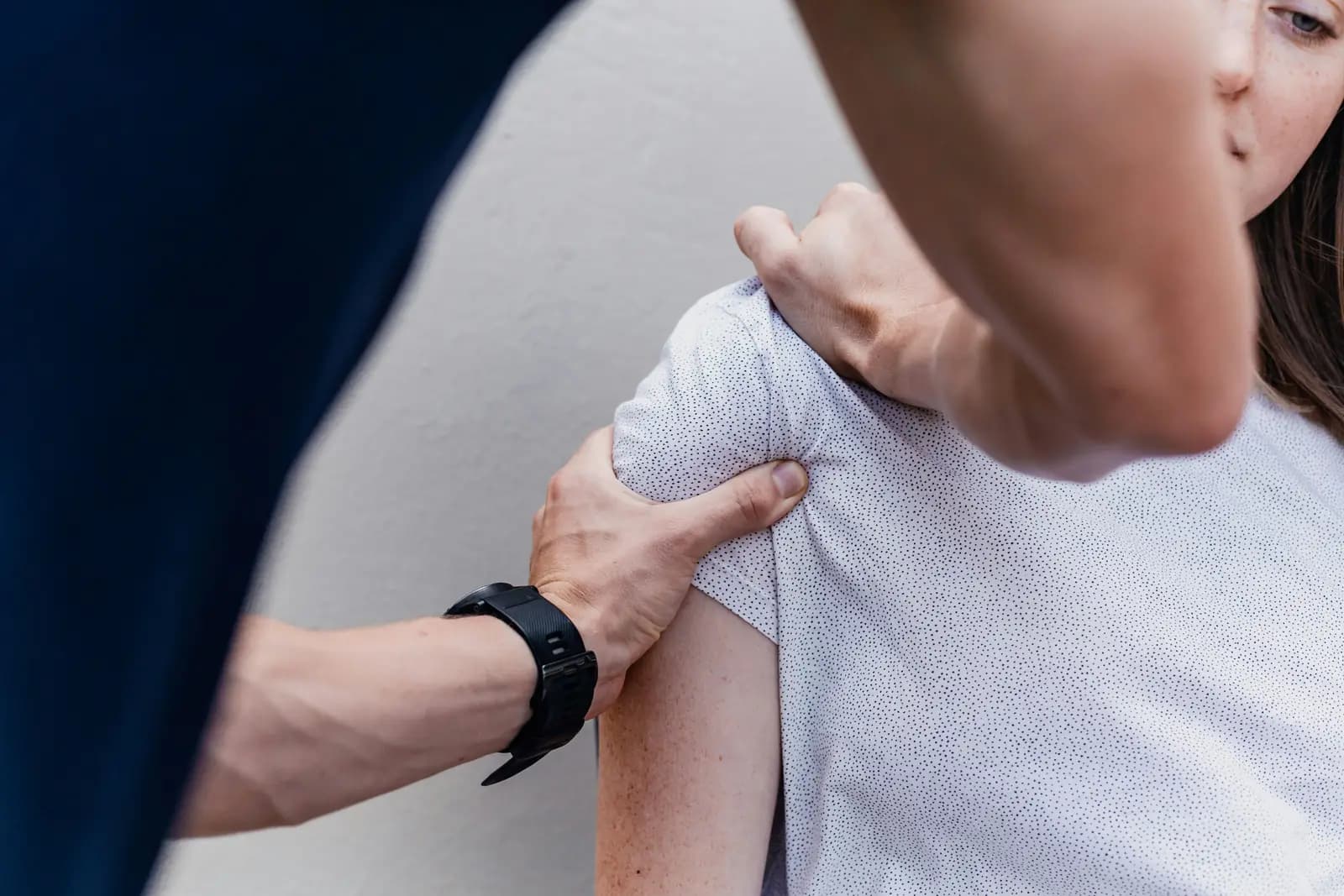
Rotator cuff tear physiotherapy without surgery in Bangalore is a 12-week evidence-based protocol combining scapular retraining, progressive rotator cuff loading, and manual therapy. Around 75% of partial-thickness tears and 40% of full-thickness tears resolve without surgery in patients over 60. Pro Physiotherapy sessions from ₹549.
A landmark MOON Shoulder Study (Kuhn 2013) showed 75% of patients with atraumatic partial rotator cuff tears avoid surgery at 2 years with structured physiotherapy — the same result as arthroscopic repair, at a fraction of the cost and risk. Pro Physiotherapy delivers a 12-week home protocol — scapular retraining, progressive rotator cuff loading (Sahrmann + Reinold), manual therapy and posture correction — across JP Nagar, HSR Layout, Whitefield, Sarjapur Road and Bellandur. Sessions from ₹549. Detailed session receipt for insurance reimbursement.
When to Try Physiotherapy First Instead of Surgery
Rotator cuff tears are extremely common — up to 40% of adults over 60 have an asymptomatic tear on MRI. Whether a tear needs surgery depends less on MRI findings and more on: (1) traumatic vs atraumatic, (2) age, (3) functional deficit, (4) response to 12 weeks of structured physiotherapy.
The AAOS 2019 Clinical Practice Guideline recommends conservative care as first-line for atraumatic tears in patients over 60, and equal consideration for younger patients with partial tears. Bengaluru orthopaedic surgeons at Apollo, Manipal, Sakra and Aster now routinely refer partial-thickness tears for a 12-week physio trial before considering arthroscopy.
Day-1 Shoulder Assessment
A 60-minute home visit covers Neer, Hawkins-Kennedy and Jobe (empty-can) tests, lift-off and belly-press for subscapularis, external rotation lag for infraspinatus, drop-arm test for supraspinatus, scapular dyskinesis screening, cervical clearance, and functional shoulder outcomes (SPADI, ASES, DASH).
Red flags — full-thickness tears with dense weakness, traumatic anterior shoulder dislocation with persistent instability, pseudoparalysis — are referred to shoulder surgery same day. We coordinate with senior shoulder consultants in Bengaluru when imaging or specialist review is needed.
Rotator Cuff Care Pathways in Bangalore
| Pathway | Duration | Typical Cost | Best For |
|---|---|---|---|
| NSAIDs + activity modification only | 8–12 weeks | ₹799–₹2,400 | Rarely enough on its own |
| Subacromial cortisone injection | Same-day | ₹3,000–₹5,000 | Short-term relief; not curative |
| Home physiotherapy (Pro Physiotherapy) | 12 weeks | ₹14,400 for 18 sessions | Atraumatic + partial tears — first line |
| Arthroscopic rotator cuff repair | Same-day + 6-month rehab | ₹1.5–2.5 lakh | Traumatic full-thickness tears in patients <60 |
Transparent Pricing — From ₹549
No hidden fees · Insurance-reimbursableEvery session receipt carries ICD-10 codes accepted by Star Health, HDFC ERGO, ICICI Lombard, Care Health, Aditya Birla and Manipal Cigna for reimbursement. Outer-perimeter home visits carry a transparent ₹150 surcharge.
“Great experience at Pro Physiotherapy, JP Nagar 8th Phase. The doctor is excellent, and his team is very supportive. Really happy with the care for my back. Highly recommended!”
12-Week Non-Surgical Rotator Cuff Rehab Protocol
Sleep positioning coaching, pendulums, scapular clocks, wall angels, gentle isometric external rotation at 0°.
Serratus anterior activation, mid-lower trap strengthening, scapular retraction drills, thoracic mobility work, prone Y/T/W progressions.
Sidelying external rotation, standing rows, prone shoulder extension, sleeper stretch for posterior capsule tightness. Introduce eccentric emphasis at week 6.
Overhead press progressions, plyometrics for sports patients, gym patterning (bench press setup, pull-up progressions). Home programme handover with monthly review.
Frequently Asked Questions
Can a rotator cuff tear heal without surgery?
How long does rotator cuff physiotherapy take to work?
What is the difference between rotator cuff tear and impingement?
How much does rotator cuff physiotherapy cost in Bangalore?
Do I need an MRI before starting rotator cuff physiotherapy?
Book a clinical consultation at Pro Physiotherapy JP Nagar
FIFA-diploma-led team · 945+ verified 5★ Google reviews · Same-day slots · Transparent pricing.