An MRI report showing an “L4-L5 disc herniation” strikes fear into every desk worker in South Bengaluru. However, the evidence is clear: expert slipped disc physiotherapy JP Nagar patients pursue at Pro Physiotherapy resolves 80–85% of symptomatic disc herniations without surgery — often within 8–12 weeks.
At Pro Physiotherapy JP Nagar 8th Phase, our spine team uses the McKenzie mechanical diagnosis and therapy (MDT) framework combined with dry needling, spinal traction, and progressive core loading. Reference: NCBI systematic review on non-surgical lumbar disc herniation outcomes.
What a Slipped Disc Actually Is
Firstly, no disc actually “slips.” The medically accurate term is herniation — the soft nucleus pulposus pushes through a weakened area of the outer annulus fibrosus, sometimes contacting the exiting nerve root. Consequently, symptoms depend on whether the disc bulges centrally (back pain) or laterally (leg pain / sciatica).
Red Flags Requiring Urgent Referral
- Loss of bladder or bowel control.
- Saddle anaesthesia (numbness in the groin region).
- Progressive leg weakness / foot drop.
- Unexplained weight loss with severe night pain.
- Fever with severe back pain.
These signs may indicate cauda equina syndrome and require immediate emergency care. Everything else responds well to structured physiotherapy.
Our 12-Week Slipped Disc Physiotherapy JP Nagar Framework
1. CentralisationWeeks 0–4McKenzie extension protocol, dry needling, gentle traction 2. Core reactivationWeeks 4–8Transverse abdominis training, dead-bug, bird-dog progressions 3. Progressive loadingWeeks 8–12Hip hinges, deadlift patterning, functional lifting 4. Return-to-activityWeek 12+Sport / gym / work-specific loading, prevention planTechniques That Actually Work
- McKenzie MDT centralisation — repeated end-range movements to migrate pain from leg to lower back to nothing.
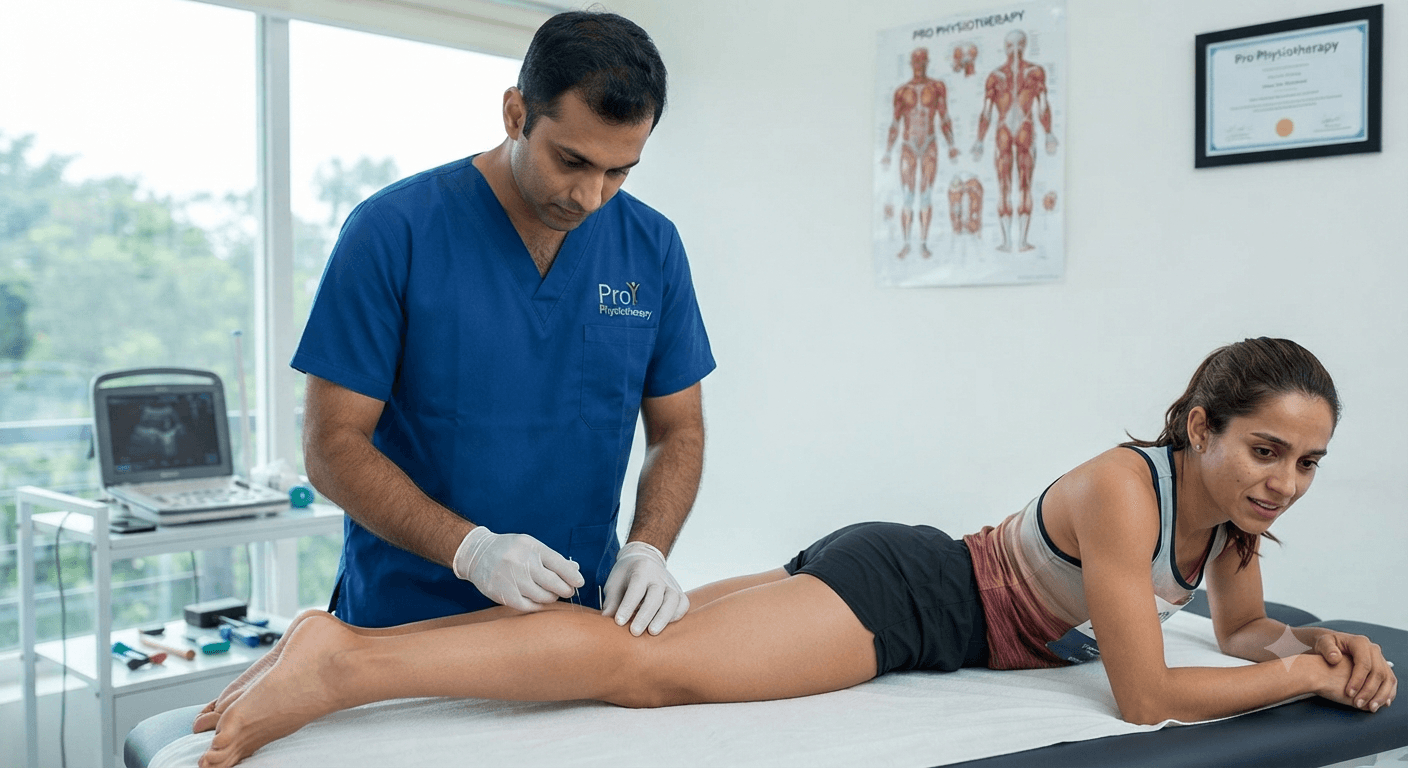
- Dry needling at multifidus, quadratus lumborum, piriformis — rapid pain relief.
- Mechanical spinal traction for radiculopathy cases with confirmed nerve root involvement.
- Neural mobilisation (slump & SLR gliders) for sciatic radiation.
- Progressive core loading using validated McGill Big-3 progressions.
- Ergonomic and lifting-technique coaching so you don’t reload the herniation.
Why Surgery Is Rarely the First Answer
Moreover, comparative long-term studies show that surgical and non-surgical outcomes converge at 12–24 months for most disc herniation cases. Consequently, unless there is progressive neurological loss, structured physiotherapy is always the correct starting point — not surgery.
Home Care That Speeds Recovery
- Sleep on your side with a pillow between your knees.
- Avoid sitting more than 30 minutes at a time in the first 4 weeks.
- Do 10 gentle prone press-ups every hour of the day.
- Walk 20–30 minutes daily on flat ground — gold-standard for disc nutrition.
- Avoid heavy lifting, twisting, and prolonged forward bending during acute phase.
Home-Visit Disc Care Across Bengaluru
Additionally, our home-visit spine team covers JP Nagar, Jayanagar, Gottigere, HSR Layout, BTM, Bannerghatta Road, Kanakapura Road, and Kothnur. We bring portable traction, TENS units, and needling supplies to the patient’s bedside.
Frequently Asked Questions
Can slipped disc physiotherapy JP Nagar treatment avoid surgery?
Yes — in 80–85% of cases. Only cauda equina syndrome, progressive weakness, or persistent pain after 12+ weeks of structured physio warrant surgical referral.
Is spinal traction safe for a herniated disc?
Yes, when applied by a trained physiotherapist and dosed correctly. It is particularly effective for radiculopathy cases with confirmed nerve root compression.
How long does non-surgical disc rehab take?
Most patients achieve pain-free daily function within 8–12 weeks. Complete return to gym / sport typically requires 4–6 months of graded loading.
Can I do exercise during the acute phase?
Yes, but selectively. Prone press-ups, glute bridges, and gentle walking are safe. Avoid crunches, deep forward bends, and heavy lifting until cleared.
What is the cost of slipped disc physiotherapy in JP Nagar?
Clinic sessions start at ₹800. Home visits with spine specialist physiotherapists start at ₹1,000. Full 12-week packages are quoted after Day-1 assessment.
An MRI report is not a surgical sentence. Book the slipped disc physiotherapy JP Nagar patients trust for non-surgical, evidence-based recovery. Reserve your spine assessment today →
Understanding the Importance of Early Intervention in Slipped Disc Physiotherapy
When it comes to managing a slipped disc, early intervention is crucial. Many individuals in JP Nagar may not realize that the sooner they seek slipped disc physiotherapy JP Nagar, the better their chances of a full recovery without the need for surgery. This proactive approach can significantly reduce pain and improve mobility.
The Role of Physiotherapy in Recovery
Physiotherapy plays a vital role in the rehabilitation process for those dealing with a herniated disc. At Pro Physiotherapy, our experienced team employs a variety of techniques tailored to each patient's unique condition. These techniques not only alleviate pain but also address the underlying issues that contribute to disc herniation.
- Manual Therapy: Hands-on techniques to improve spinal mobility and reduce muscle tension.
- Exercise Therapy: A structured exercise regimen designed to strengthen core muscles and support the spine.
- Education: Teaching patients about proper body mechanics and posture to prevent future injuries.
Research indicates that patients who engage in physiotherapy early in their treatment experience quicker recovery times and better long-term outcomes. According to a study published by the National Institutes of Health, early physiotherapy intervention can lead to significant improvements in pain and function.
Preventive Measures and Lifestyle Adjustments
In addition to physiotherapy, making lifestyle adjustments can greatly enhance recovery and prevent further complications. Here are some practical tips:
- Maintain a Healthy Weight: Excess weight can put additional strain on your spine, exacerbating disc issues.
- Stay Active: Engage in low-impact activities such as walking or swimming to keep your spine healthy.
- Practice Good Posture: Ensure your workstation is ergonomically designed to reduce strain on your back.
- Incorporate Stretching: Regular stretching can improve flexibility and reduce tension in the back muscles.
Integrating these practices into your daily routine can significantly enhance the effectiveness of slipped disc physiotherapy JP Nagar and help maintain a healthy spine. Our team at Pro Physiotherapy is committed to guiding you through these changes, ensuring you not only recover but thrive.
For those who may find it challenging to visit our clinic, we also offer home-visit physiotherapy services across Bengaluru, including areas like Jayanagar and Gottigere. This ensures that everyone has access to the care they need, regardless of their circumstances. To learn more about our services, visit our services page.
In conclusion, understanding the significance of early intervention and the role of physiotherapy can empower individuals suffering from a slipped disc. By taking proactive steps and seeking professional help, you can pave the way for a smoother recovery and a healthier future.
Frequently Asked Questions
What are the symptoms of a slipped disc?
Symptoms of a slipped disc can include localized back pain, radiating leg pain, numbness, or tingling in the legs, and muscle weakness. The severity of symptoms often depends on the location of the herniation and whether it is pressing on nearby nerves. If you suspect a slipped disc, consult a physiotherapist for an accurate diagnosis and treatment plan.
How can physiotherapy help with a slipped disc?
Physiotherapy for a slipped disc focuses on pain relief, improving mobility, and strengthening the surrounding muscles. Techniques such as McKenzie therapy, dry needling, and spinal traction are commonly used. At Pro Physiotherapy Bengaluru, we create personalized treatment plans to address individual needs and promote recovery without surgery.
Is surgery necessary for a slipped disc?
Surgery is not always necessary for a slipped disc. Many patients experience significant relief through non-surgical treatments like physiotherapy. At Pro Physiotherapy JP Nagar, we aim to resolve 80-85% of cases without surgery, focusing on rehabilitation techniques that enhance recovery and restore function.
How long does it take to recover from a slipped disc with physiotherapy?
Recovery from a slipped disc with physiotherapy typically takes about 8 to 12 weeks, depending on the severity of the condition and individual response to treatment. A structured program at Pro Physiotherapy JP Nagar can help speed up recovery through targeted exercises and therapies designed to alleviate pain and restore mobility.

