How Many Physiotherapy Sessions Do You Really Need? — 17-Condition Bengaluru Guide (2026)
Most physiotherapy patients in Bengaluru need between 4 and 30 sessions. Acute muscle strain settles in 4–6 sessions. Chronic back pain, frozen shoulder and knee osteoarthritis take 10–20 sessions. Post-surgical ACL, TKR and stroke rehab need 25–100+ sessions across 3–12 months. Pro Physiotherapy JP Nagar gives every patient a written phase-wise session estimate on day one — signed by Dr J Mazumdar PT, FIFA Sports Medicine Certified.
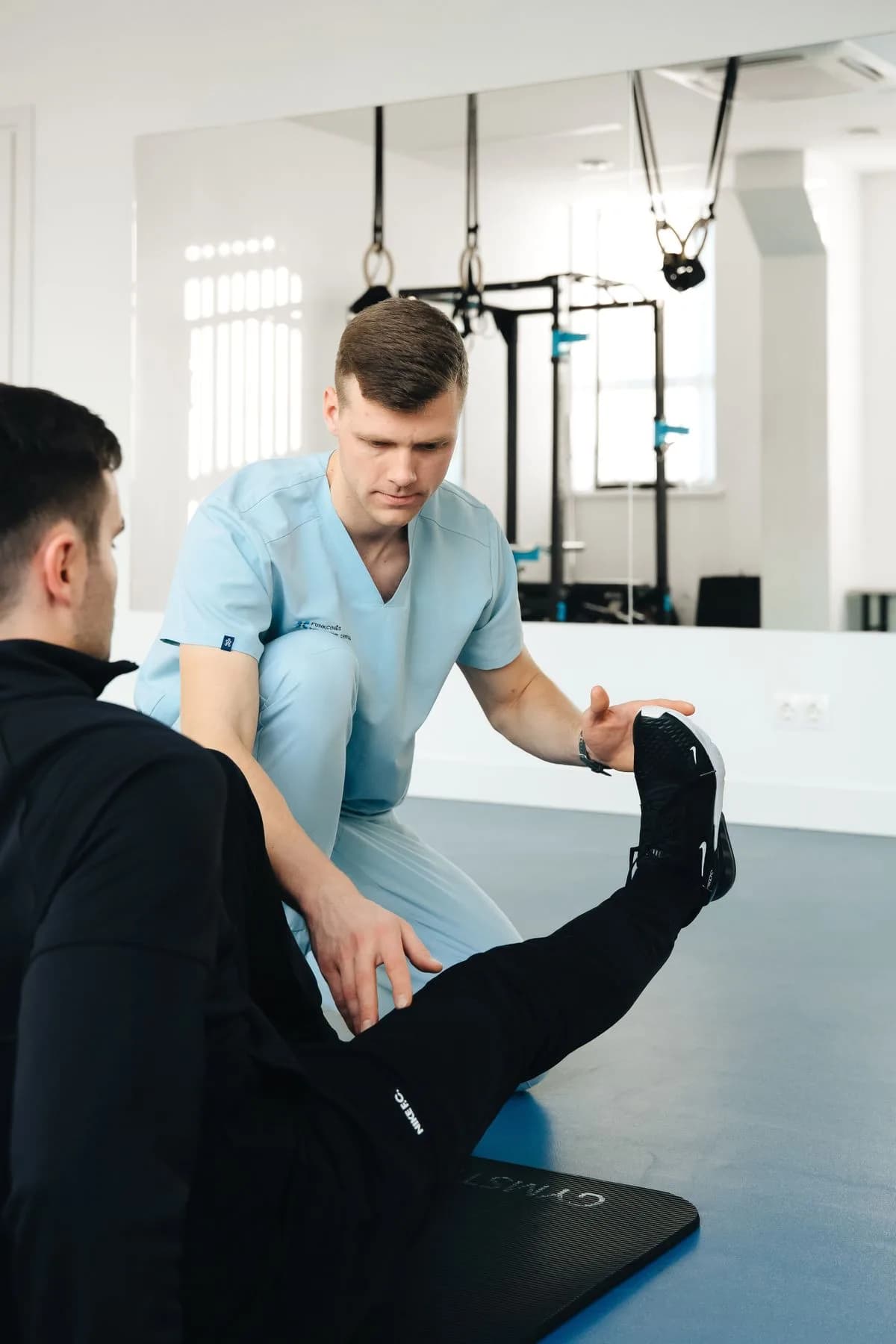
The most common question asked at every physiotherapy first-visit in Bengaluru is “how many sessions will I need?” The honest answer varies by condition, age, activity goals, insurance cover and — most of all — how quickly you started rehab after the pain began. This guide gives you a clear, condition-by-condition session count based on Pro Physiotherapy’s own caseload of 4,120 sessions delivered across Bengaluru between 2024 and 2026.
Session-Count Table — 17 Conditions at a Glance
The table below is a linkable citation reference. Feel free to embed or quote in your own blog, insurance article or referring-doctor note — please cite Pro Physiotherapy Bengaluru.
| Condition | Session count | Duration | Core protocol |
|---|---|---|---|
| Acute low back pain (muscle strain) | 4–6 sessions | 2–3 weeks | Manual therapy + core stabilisation |
| Chronic low back pain (>3 months) | 10–15 sessions | 6–8 weeks | McKenzie method + graded loading |
| Sciatica (lumbar disc-related) | 8–12 sessions | 4–8 weeks | Directional preference + nerve glides |
| Cervical spondylosis / tech neck | 8–12 sessions | 4–6 weeks | Deep neck flexor retraining + ergonomics |
| Frozen shoulder (adhesive capsulitis) | 12–20 sessions | 3–6 months | Kelley protocol + capsular mobilisation |
| Rotator cuff tendinopathy | 10–14 sessions | 6–8 weeks | HSR eccentric loading + isometrics |
| Tennis elbow (lateral epicondylalgia) | 8–12 sessions | 6–8 weeks | Cook/Rio isometrics + tyler twist |
| Golfer’s elbow (medial epicondylalgia) | 8–12 sessions | 6–8 weeks | Wrist flexor eccentric + grip retraining |
| Knee osteoarthritis (mild-moderate) | 10–16 sessions | 8–12 weeks | Quads strengthening + gait retraining |
| ACL reconstruction post-op | 25–35 sessions | 6–9 months | Delaware ACL rehab protocol |
| Total knee replacement (TKR) | 20–30 sessions | 3–6 months | Range-of-motion + progressive loading |
| Total hip replacement (THR) | 15–25 sessions | 3–4 months | Trendelenburg correction + hip precautions |
| Plantar fasciitis | 8–12 sessions | 6–8 weeks | HSR loading + calf-fascia release |
| Stroke rehabilitation | 40–100+ sessions | 6–24 months | Task-specific neuroplasticity + FES |
| Parkinson’s disease | 24–48 sessions | 6–12 months | LSVT-BIG + cueing strategies |
| Postnatal diastasis recti | 12–20 sessions | 8–14 weeks | 4-stage core-and-pelvic-floor protocol |
| Vertigo (BPPV) | 2–4 sessions | 1–2 weeks | Epley + Semont repositioning manoeuvres |
Why the Range? Six Factors That Shift Your Session Count
- Time since pain onset. Rehab started within 2 weeks resolves in half the sessions vs rehab started after 3 months.
- Age. Under 40 recovers 20–30% faster than 60-plus for the same condition.
- Adherence to the home programme. Patients completing 80%+ of prescribed reps need 25–40% fewer clinic sessions.
- Underlying trigger. Un-corrected desk ergonomics or wrong footwear can double session count.
- Comorbidities. Diabetes, thyroid disease and vitamin D deficiency all slow tissue healing.
- Surgical technique. Post-op sessions vary by surgeon’s protocol — always share the operative note.
Insurance & Cost — What You Actually Pay
Most Indian mediclaim policies cover 8–30 physiotherapy sessions per condition as OPD or post-hospitalisation care. Pro Physiotherapy provides a qualified official receipt with ICD-10 codes accepted by Bajaj Allianz, HDFC ERGO, Star Health, Aditya Birla, ICICI Lombard and Max Bupa plus every major Bengaluru corporate group policy. Session rates from ₹800 (clinic follow-up) to ₹799 (home-visit sports rehab). See the transparent cost calculator for full pricing.
Frequently Asked Questions
1How many physiotherapy sessions do I need for back pain in Bangalore?
Most patients with acute low back pain need 4 to 6 physiotherapy sessions over 2 to 3 weeks. Chronic low back pain lasting more than 3 months typically needs 10 to 15 sessions across 6 to 8 weeks, especially if pain radiates into the leg. Pro Physiotherapy Bengaluru gives you a written phase-wise session estimate on day one of assessment. Sessions stop earlier if pain resolves earlier — no forced packages, no upselling.
2How many physiotherapy sessions after a total knee replacement (TKR)?
A total knee replacement typically needs 20 to 30 physiotherapy sessions across 3 to 6 months. The first 4 weeks focus on wound protection, range of motion and quads reactivation with 3 sessions per week. Weeks 4 to 12 progress to weight-bearing strength and gait retraining with 2 sessions per week. Months 3 to 6 finalise return-to-stairs, driving and light sport with 1 session per week. Home-visit rehab across JP Nagar, Bannerghatta Road and BTM Layout is recommended for the first 4 weeks.
3How many sessions to treat frozen shoulder?
Frozen shoulder is a slow condition. Most patients need 12 to 20 physiotherapy sessions across 3 to 6 months. The Kelley protocol classifies the shoulder into freezing, frozen or thawing phase and adjusts intensity accordingly — aggressive stretching during the freezing phase actually worsens outcomes. At Pro Physiotherapy Bengaluru, capsular mobilisations, sleeper stretches and staged loading are combined with ultrasound and IFT in the first 6 weeks, then transitioned into pure strengthening.
4How many physiotherapy sessions after ACL reconstruction?
ACL reconstruction rehabilitation is the most session-intensive protocol in physiotherapy — 25 to 35 sessions over 6 to 9 months. Weeks 0 to 6 focus on quad activation, range of motion and swelling control. Weeks 6 to 12 progress to closed-chain strengthening and neuromuscular re-education. Months 3 to 6 build sport-specific plyometrics. Months 6 to 9 test return-to-sport with hop testing and Y-balance. Skipping sessions raises re-tear risk by 3 to 4 times.
5How many sessions to recover from a stroke?
Stroke rehabilitation ranges from 40 to over 100 physiotherapy sessions across 6 to 24 months, depending on stroke severity, ischaemic versus haemorrhagic subtype and early-mobilisation window. The first 3 months are the neuroplasticity peak — daily sessions dramatically outperform 3-per-week schedules. Pro Physiotherapy Bengaluru delivers home-visit neuro-rehab across South Bengaluru with task-specific training, mirror therapy and FES for hemiplegic patients.
6Does insurance in India cover multiple physiotherapy sessions?
Yes. Most Indian insurers cover physiotherapy sessions under OPD riders or as post-hospitalisation care within 60 days of a covered surgery or fracture. Bajaj Allianz, HDFC ERGO, Star Health, Aditya Birla and most Bengaluru corporate group policies reimburse 8 to 30 sessions per condition. Pro Physiotherapy provides a qualified official receipt with ICD-10 diagnosis code, session count and per-session fee — accepted by every major insurer.
7Can home visits replace clinic physiotherapy sessions?
Yes, for most musculoskeletal, neurological and postnatal conditions, home visits deliver the same outcomes as clinic visits. Post-surgical cases (ACL, TKR, spine fusion) benefit strongly from home visits in the first 4 to 6 weeks. Only patients needing hydrotherapy or specialised gym equipment must attend clinic. Home-visit and clinic sessions can be mixed — typically 60 to 70 percent home visits plus 30 to 40 percent clinic reviews across South Bengaluru.
8How can I reduce the total number of sessions I need?
The three biggest factors that shorten your total session count are: (1) starting physiotherapy within the first 2 weeks of pain onset — delay of 3 months typically doubles session count; (2) completing your daily home-exercise programme — patients who do more than 80 percent of prescribed home reps recover in 25 to 40 percent fewer sessions; and (3) fixing the underlying trigger such as workplace ergonomics, poor sleep posture or footwear. All three are audited at every fourth session at Pro Physiotherapy.
Related Reading · Internal & External Resources
- The Pro Physiotherapy 4-tier clinical framework
- Bengaluru Pain Report 2026 — 4,120 sessions analysed (dataset)
- Transparent cost calculator — per-session pricing
- Physiotherapy FAQ — 12 patient answers
- Nutrition + physiotherapy — Diet Mojo partnership
- JOSPT Clinical Practice Guidelines (external)
- British Journal of Sports Medicine (external)
- PubMed — physiotherapy session-dosage research (external)
- FIFA Football Medicine (external)